Brand Video vs Commercial: What Is Your $1,200 Actually Buying?
Both are video. Both end on your logo. They are built for completely different jobs, and paying for the wrong one is the most common video mistake I see in Cache Valley.
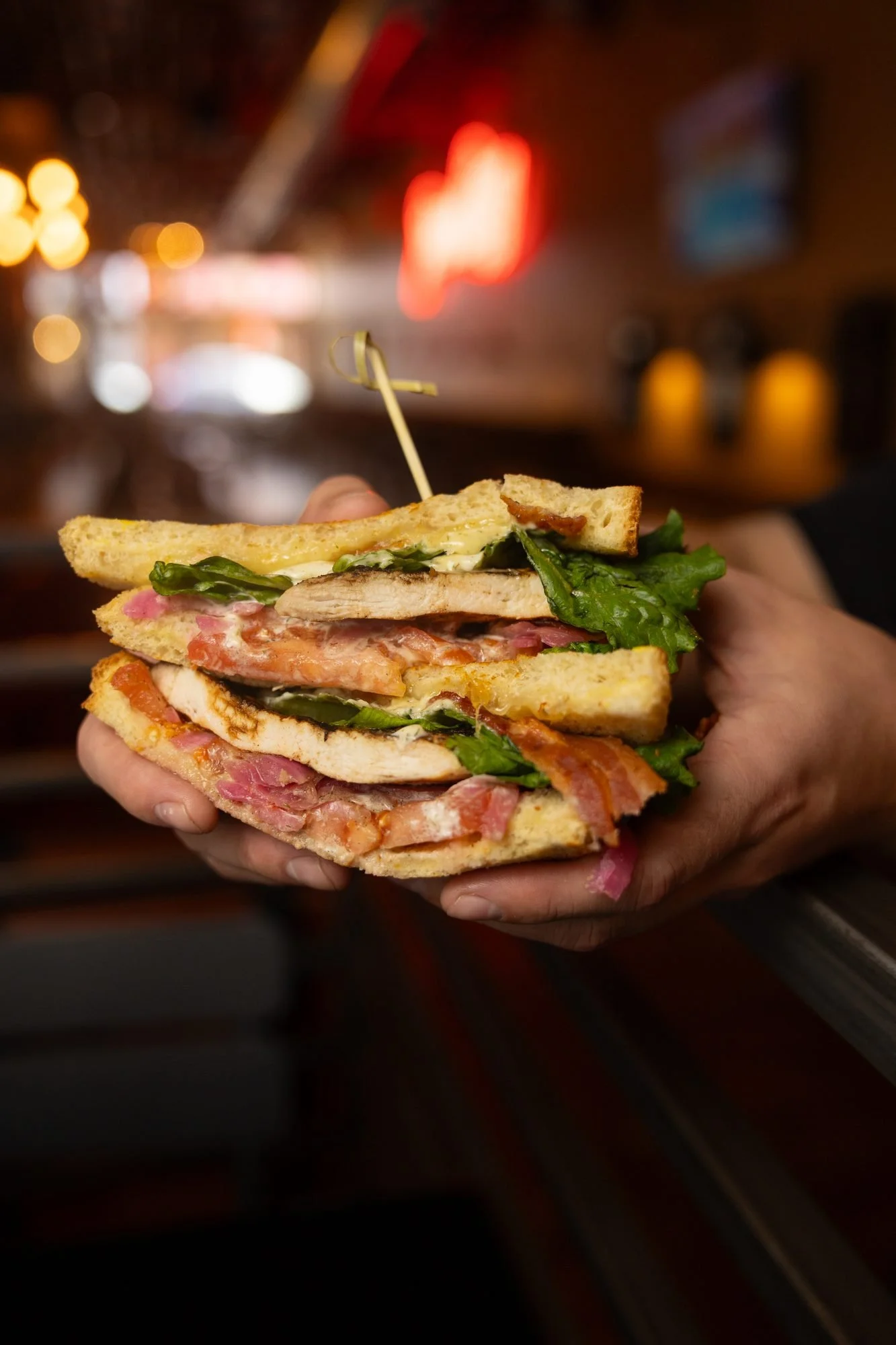
A brand video is a video about your business, made to live on your website and social feeds where people choose to watch it. A commercial is built to interrupt someone during a paid ad slot, so it is shorter, tighter, and organized around one offer. My brand videos start at $1,200; a three-spot broadcast package starts at $4,200, and the gap is about how many finished pieces you get and how strict the format has to be.
- Brand video: your story, your space, your people, watched on purpose
- Commercial: one offer, one call to action, cut to a fixed length for a paid slot
- Starting prices: $1,200 for a brand video, $4,200 for three broadcast spots
Quick intro, since a lot of you land here from Google: I'm Sarah Rasmussen, and for about five years I have been making local TV commercials in Cache Valley (Taco Time was a long run) alongside brand videos and brand photos for places like Prodigy Brewing on Main Street in Logan. So I sell both of these things, and I still tell people not to buy the wrong one.
The confusion is fair. From the outside they look the same: a camera, a crew, some shots of your food or your shop, a logo at the end. The difference is not the gear. It is who is watching, why they are watching, and what the video has to do in the first three seconds.
The one-sentence difference
A brand video is watched by someone who already chose to look at you. A commercial is watched by someone who was trying to look at something else.
That single fact changes every decision on set. If a viewer clicked to your website or opened your profile, you have earned a little patience. You can let a shot breathe, let the owner talk, let the room fill in around the food. If your video is running in a paid slot between two things the viewer actually wanted, you have no patience to spend. You lead with the offer and you get out.
What a brand video is actually for
A brand video answers "who are these people and what is it like to walk in here." It usually lives at the top of your home page, pinned on your Instagram, and in the Google Business profile where people are deciding between you and the place two blocks over. It does not go stale in a month, because it is not tied to a price or a date.
Where the $1,200 goes: a planning conversation so I know what your business is really about (not what the tagline says), a shoot at your location while you are working, and an edit that holds up when someone watches it without sound on a phone. That last part matters more than people think. Most brand video views are silent, so I cut for picture first.
What a commercial is actually for
A commercial has one job: move a specific number for a specific window. Taco Tuesday, a fall menu launch, a grand opening, a sale that ends Sunday. It has to fit a fixed length because a station or an ad platform sells time in fixed pieces, so every second is accounted for before we ever roll camera.
That is why the broadcast package is priced the way it is. Three spots means three separate scripts, three edits, and versions cut to whatever lengths the station or platform needs. I have already written about what separates a good local commercial from a forgettable one, so I will not repeat it here. The short answer is that you are paying for precision, not for prettier footage.
A brand video earns attention. A commercial borrows it and has to pay it back fast.
The question that tells you which one you need
Finish this sentence: "After watching this, I want people to ______."
If the blank is "know who we are," "feel like they have been here," or "trust us before they call," you want a brand video. If the blank is "come in before Sunday," "order the new thing," or "book the fall special," you want a commercial. If the blank is both, you probably want the brand video first, because the commercial performs better when people already recognize you.
One more test. Will this video still be true in a year? A brand video should be. A commercial almost never is, and that is fine, because it was never supposed to last.
What about the stills?
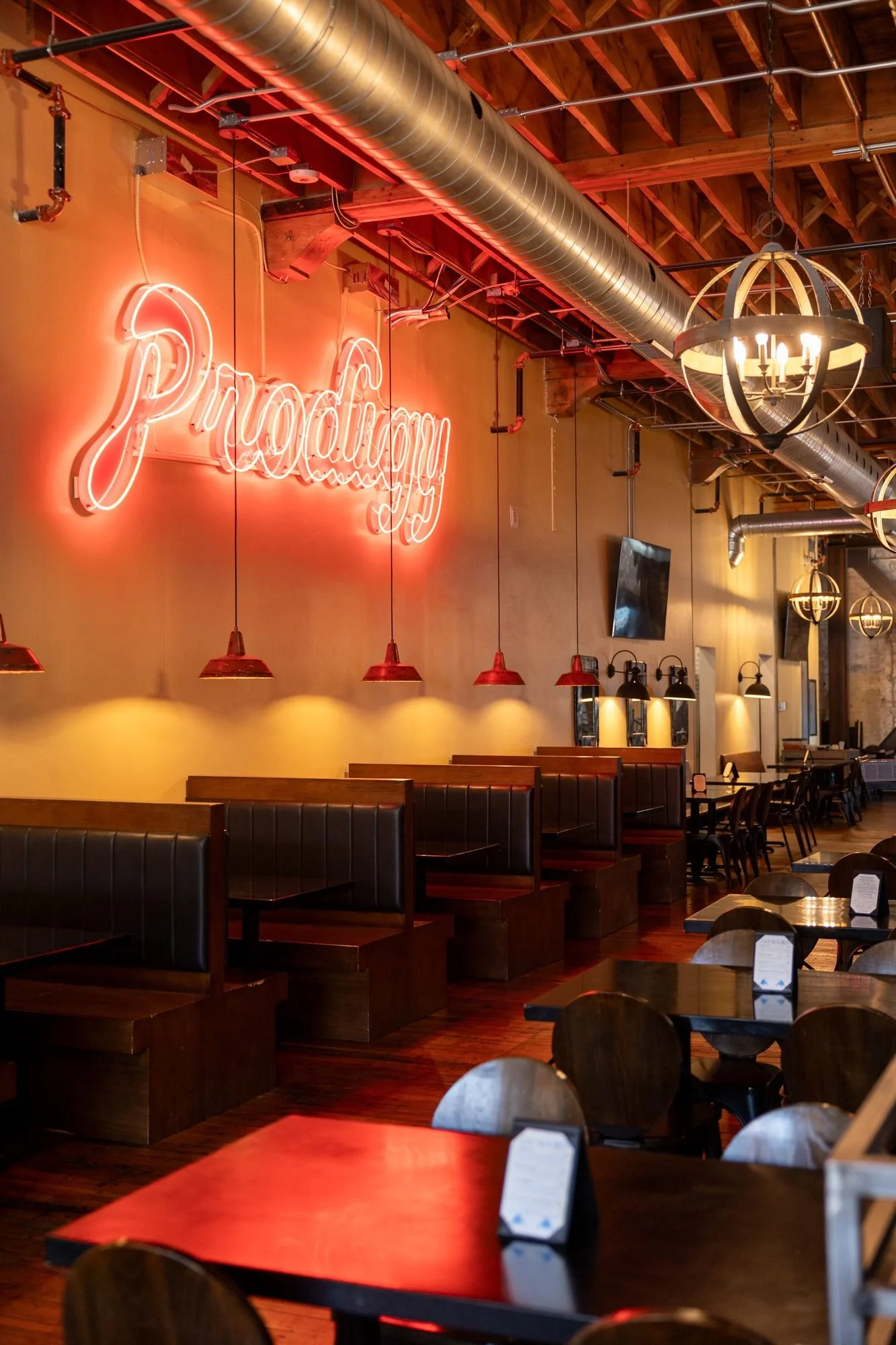
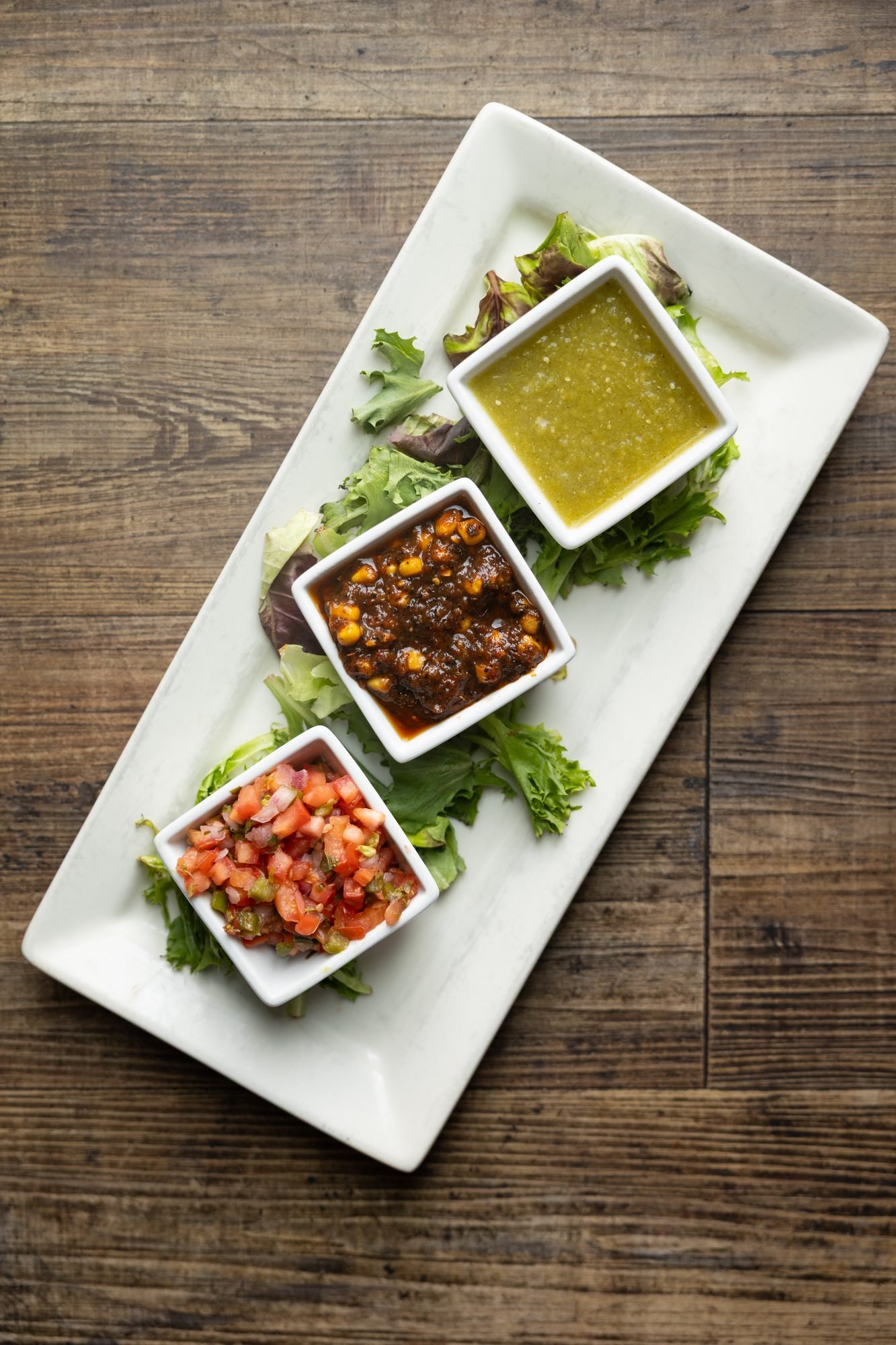
People ask why I bring a stills camera to a video day. Because the same light that makes a brand video work makes a brand photo work, and your website and Instagram need both. The two frames below came from the Prodigy brand day. They are not from the video, but they were shot in the same room, at the same tables, with the same idea about what the place feels like.

If you are trying to decide between the two and the budget only covers one, I would rather you call me and talk it through than guess. The films on my site are a mix of both, and I am happy to point at which is which. And if the real question is "should this be a Reel instead," I wrote about why short form video works so well for local businesses, because sometimes the honest answer is neither of the above.
Open your website on your phone right now and watch the first video a stranger would see, with the sound off. If you cannot tell within five seconds whether it is asking you to feel something or do something, the video is trying to be both a brand video and a commercial, and it is doing neither job. Decide which one it is, and rewrite the first five seconds this week.
Nobody needs both of these on day one. Most Cache Valley businesses need the brand video first, the commercial when there is something worth interrupting people for, and a clear head about which is which.
I'm Sarah Rasmussen, and Sarah Rasmussen Productions is the commercial photo and video shop I run from Logan for restaurants, retailers, and brands across Northern Utah, and Southern Idaho.
Not sure which one you actually need?
Send me your website and one sentence about what you want people to do after watching. I will tell you honestly which video it is, even if the answer is the cheaper one.
Ask Sarah which📞 Call or Text: 435-764-3606
✉️ sarahrasmussenproductions@gmail.com
📍 Serving Northern Utah & Southern Idaho
