Fall Menu Photos for The Crepery: Why We Shot Everything Macro
Fall Menu Photos for The Crepery: Why We Shot Everything Macro
Three crepes, one lemonade, thirty-four photos, and almost none of them taken from more than a foot away. Here is why that was the right call for a seasonal menu.
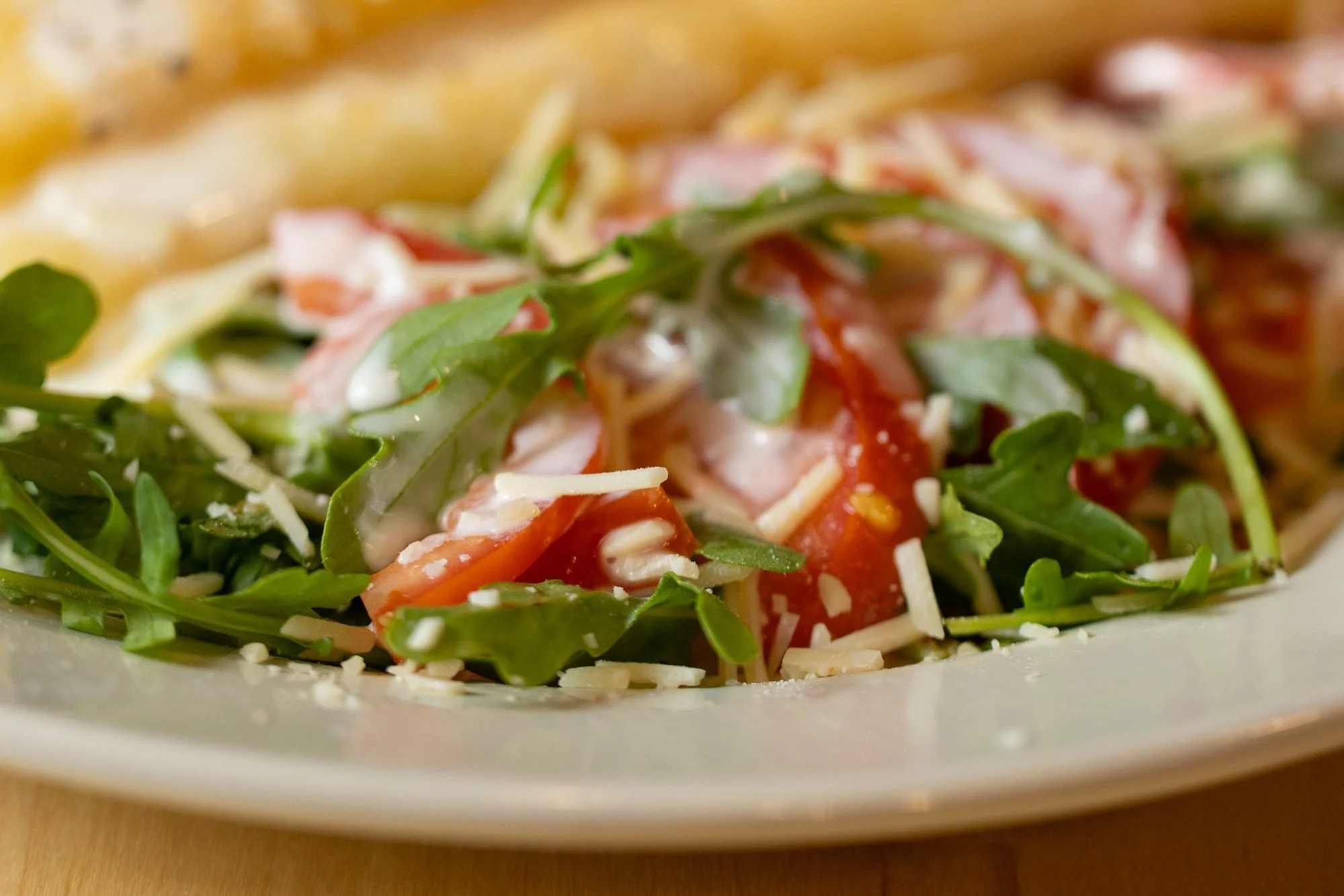
For The Crepery's fall menu we shot nearly every frame macro, within a few inches of the plate, because a crepe photographed from normal distance is a beige triangle. Up close, the whipped cream, the crumble, the chocolate drizzle and the tomato all read instantly on a phone screen, which is where menu photos actually get seen.
- Flat, folded, or beige food almost always photographs better close than wide
- Seasonal menu photos get used for a few weeks, so a focused set beats a big one
- Shoot one plate, one full-plate frame, then three or four macro frames, and move on
This is a small shoot and a very specific decision, which is exactly why it makes a good case study. Hi, I'm Sarah, the photographer and video person behind Sarah Rasmussen Productions in Logan. I photograph a lot of restaurant menus around Logan, and The Crepery's fall set is the one I point to when someone asks why I keep getting so close to the food.
The problem with photographing a crepe
Crepes are delicious and they are terrible at posing. Folded, they are a pale triangle. Rolled, they are a pale tube. From across the table, the thing that makes them worth ordering, the filling, the toppings, the drizzle, is either hidden inside or too small to see. Plenty of restaurants have a menu full of tiny wide shots where every dish looks like the same color, and crepes are the worst offender.
So before we plated anything, I made the call: this whole set lives inside about twelve inches of the plate. One frame of each full plate so people know what arrives at the table, and then everything else macro.
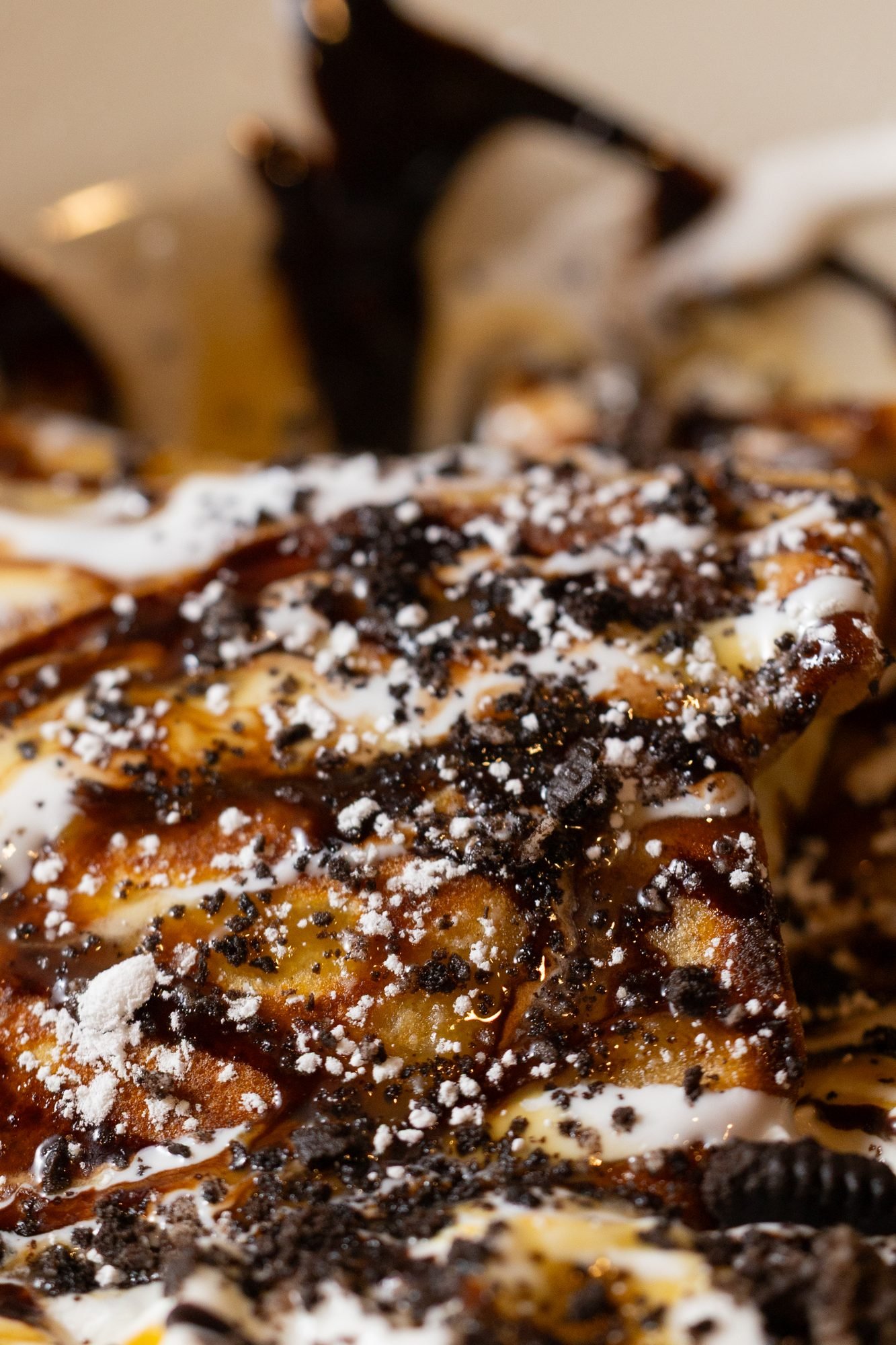
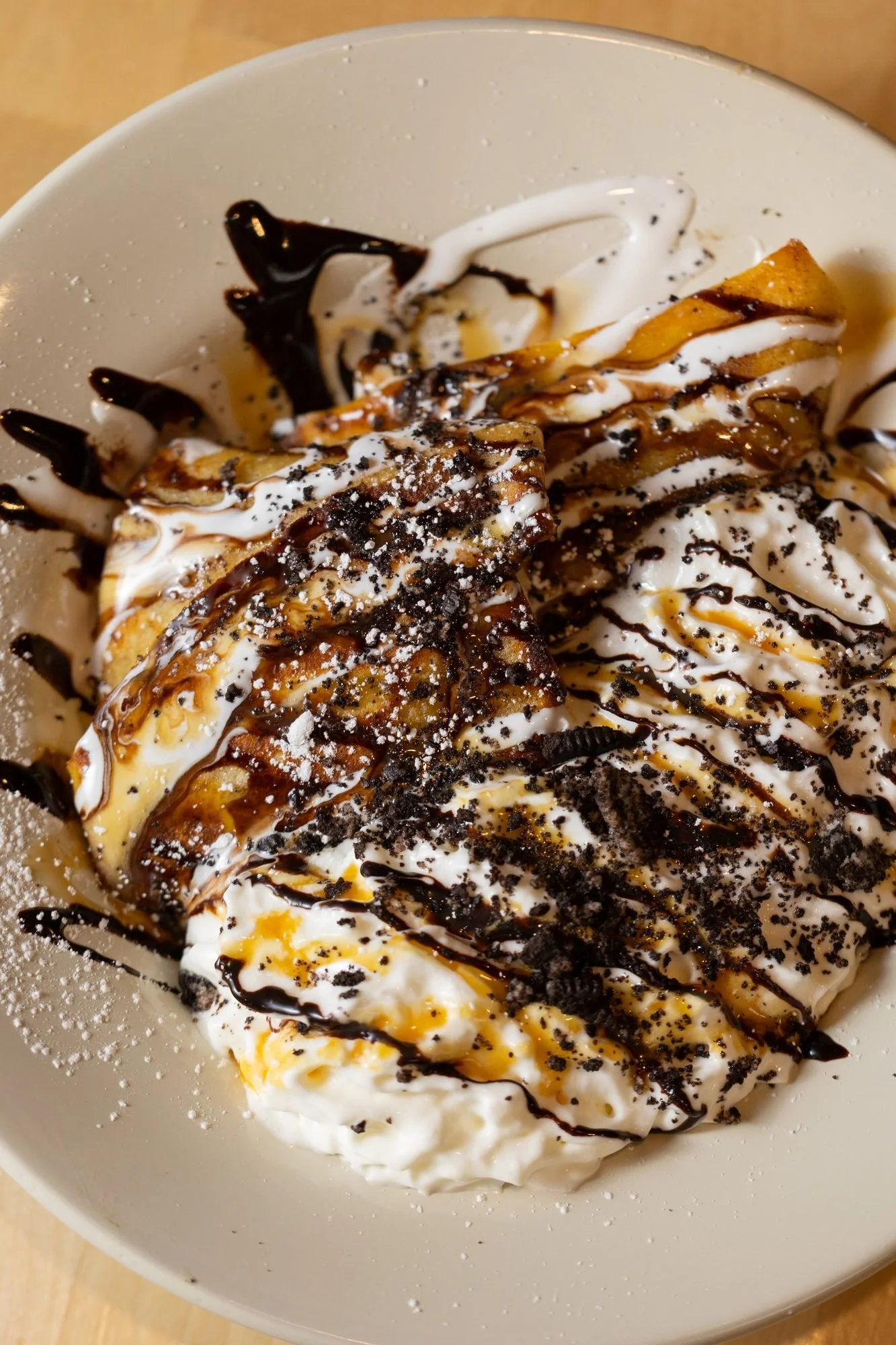
Why macro works for a seasonal menu specifically
A fall menu has a short life. Those photos need to work hard for a few weeks and then they are done. That changes what you shoot. You do not need forty angles of each dish for a website that will be rebuilt every year. You need a handful of frames that stop a thumb mid-scroll, and close-up texture is the most reliable way I know to do that on a five-inch screen.
Macro frames also crop into anything. A vertical story, a square grid post, a horizontal menu board, a little thumbnail on an ordering app. When the subject is texture, there is no wrong crop, because there is nothing to cut off.
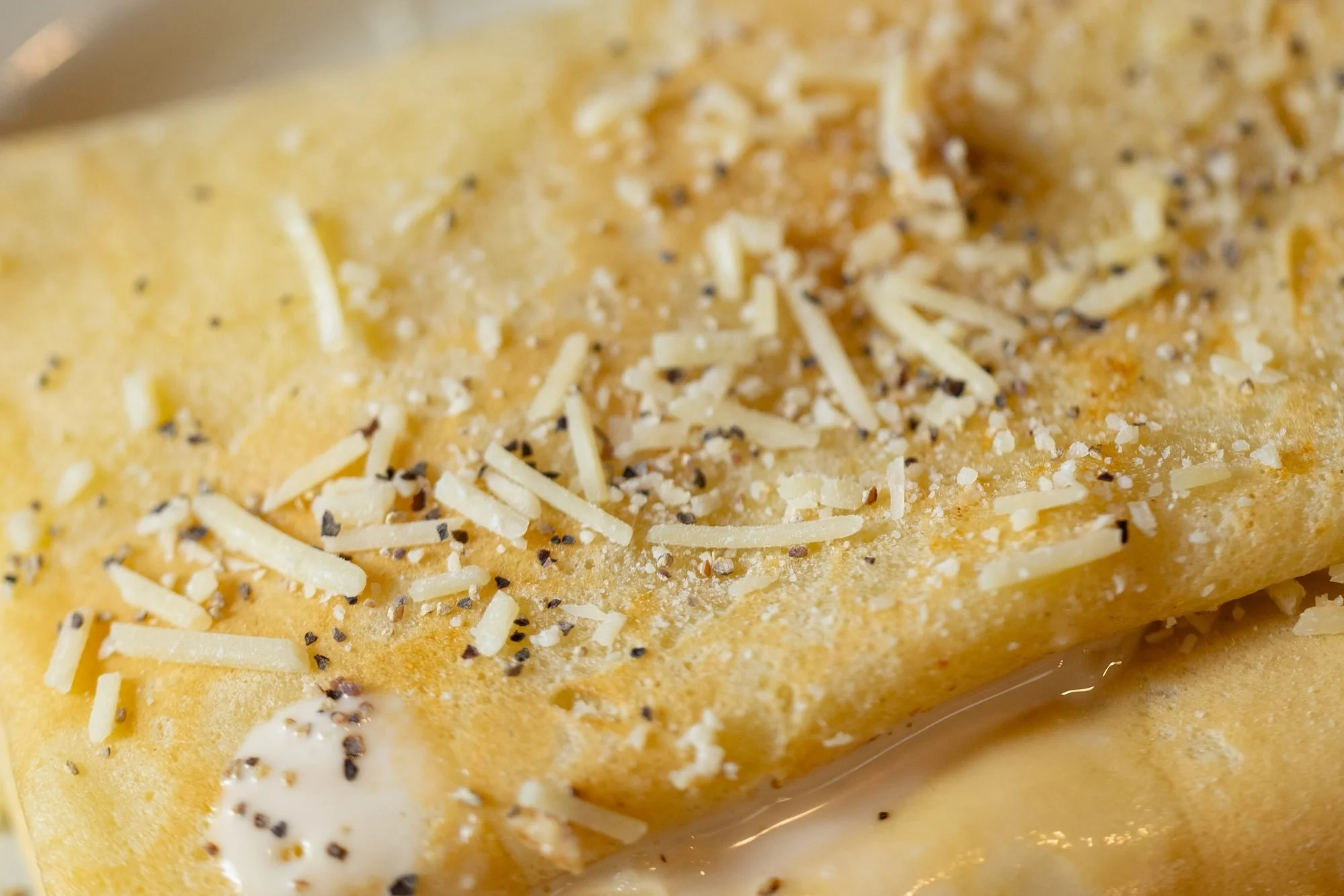
How the shoot actually ran
Each crepe came out one at a time from the kitchen, plated the way it is served. I shot the full plate first, quickly, because whipped cream does not wait. Then I went in close, moving around the plate, changing the angle a little each frame: straight down on the crumble, low and across for the drizzle, tight on the fruit. Four or five frames, then the next plate. The whole set is 34 finished photos across three crepes and a lemonade, and every one of them has a job.
Everything sat on a wood tabletop in soft, directional light. No big lighting build. Macro rewards the quality of light far more than the quantity of it.
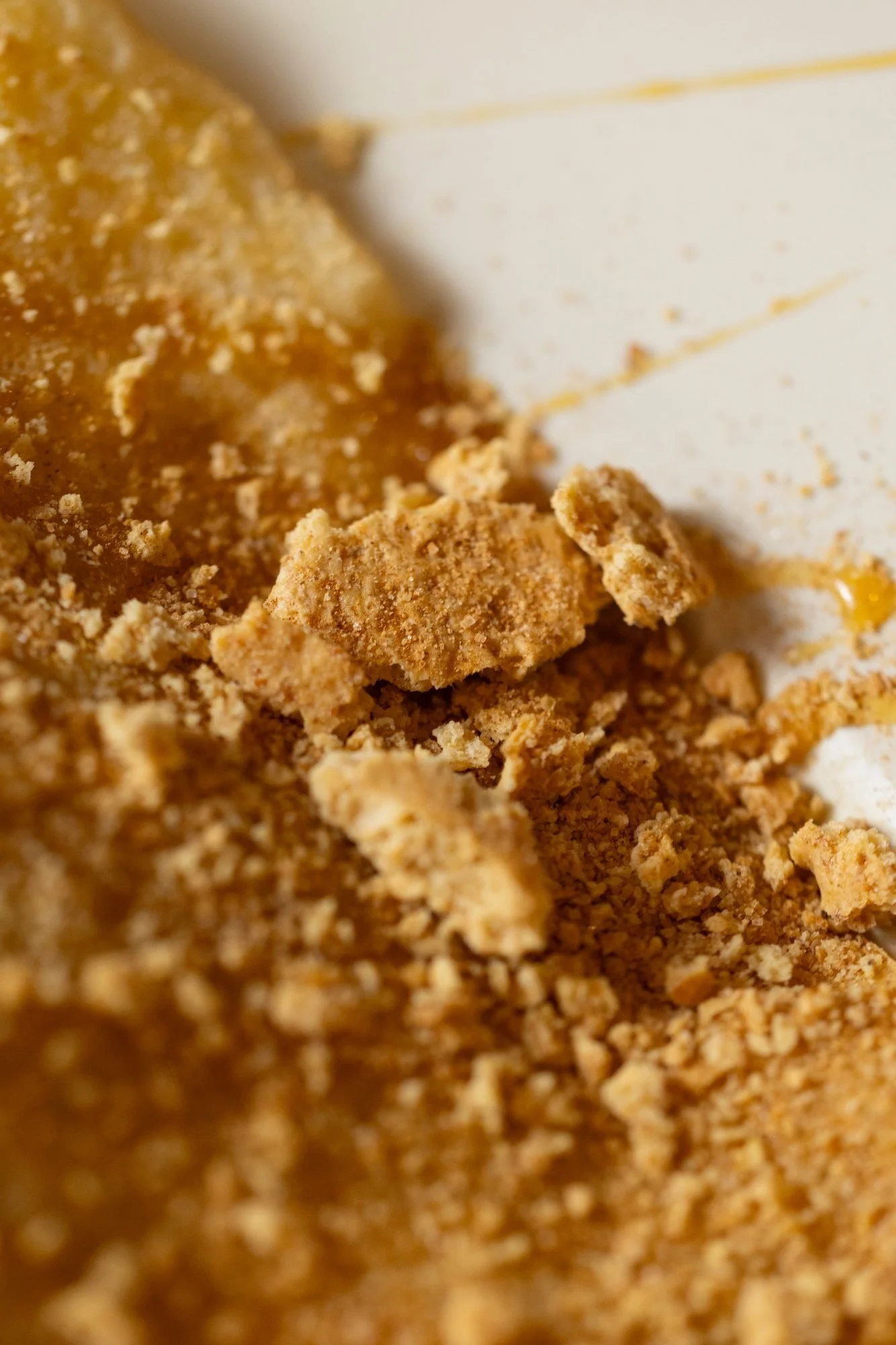
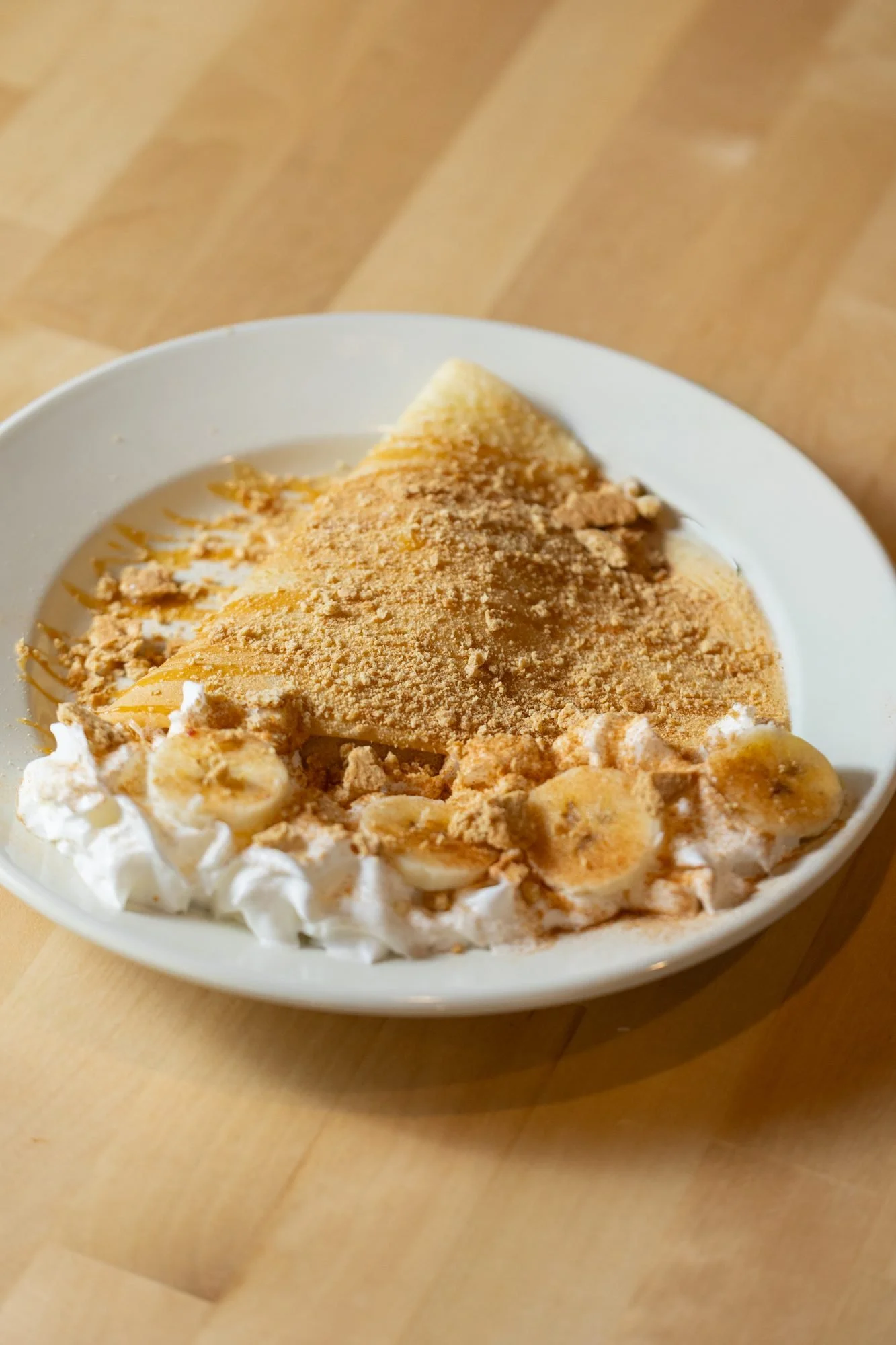
From across the table a crepe is a beige triangle. From six inches away it is dessert.
What we did not shoot, on purpose
No room shots, no exterior, no people. A fall menu update does not need them, and shooting them would have doubled the day for photos that only get used once a year. Shooting only what the season needs is how a menu update stays a short, affordable session instead of a full brand day. If you are working out what a restaurant should shoot across a year, I broke that down in seasonal content ideas for restaurants and cafes, and the general approach to a bigger shoot is in my post on brand photography for Logan businesses.
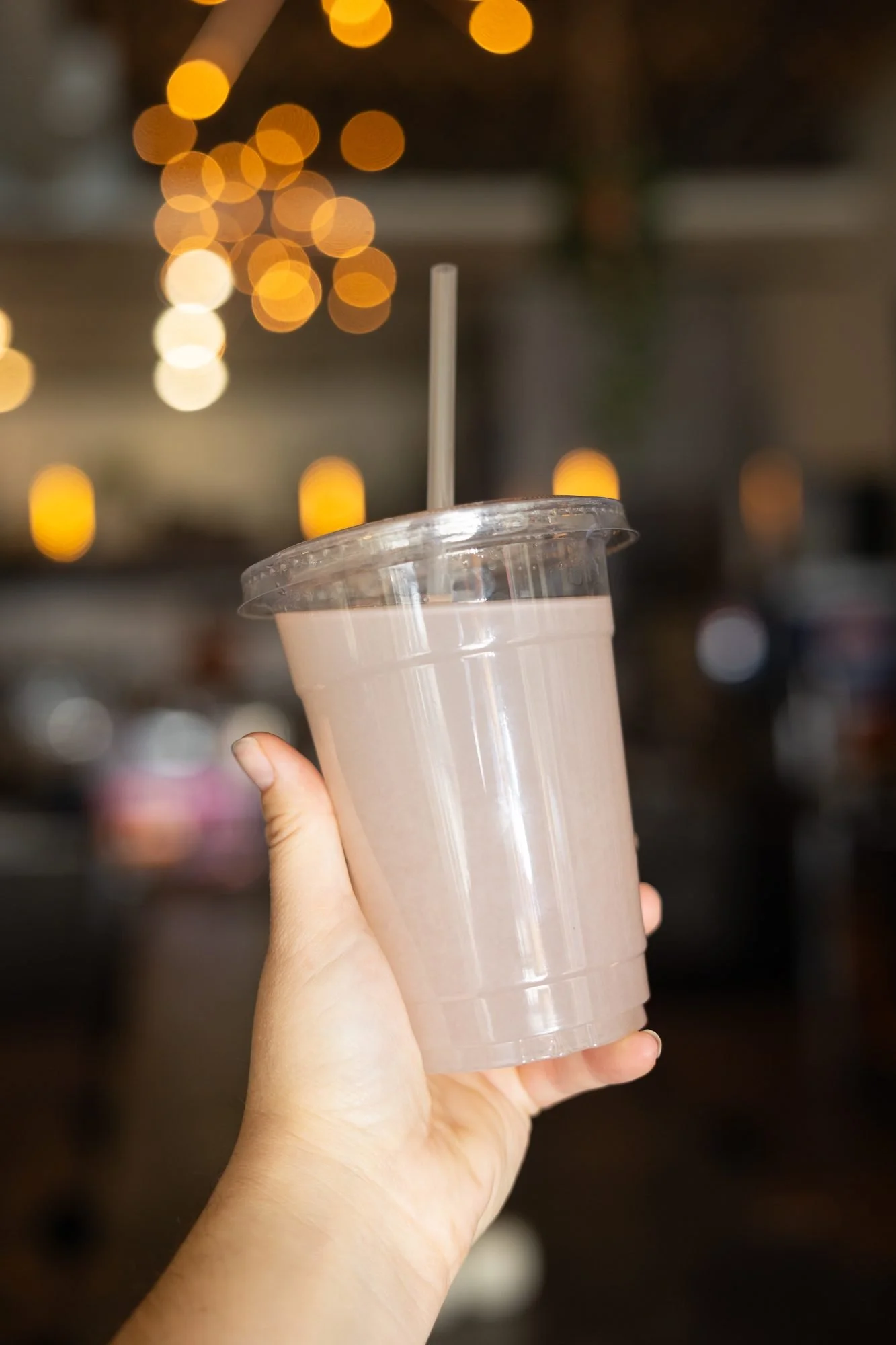
The one exception to the macro rule was the lemonade. A cup of lemonade up close is just a cup, so that one got a hand and the string lights in the background instead. The rule is not "always macro." The rule is "shoot the thing that makes people want it," and for a drink, that is the moment someone is holding it.
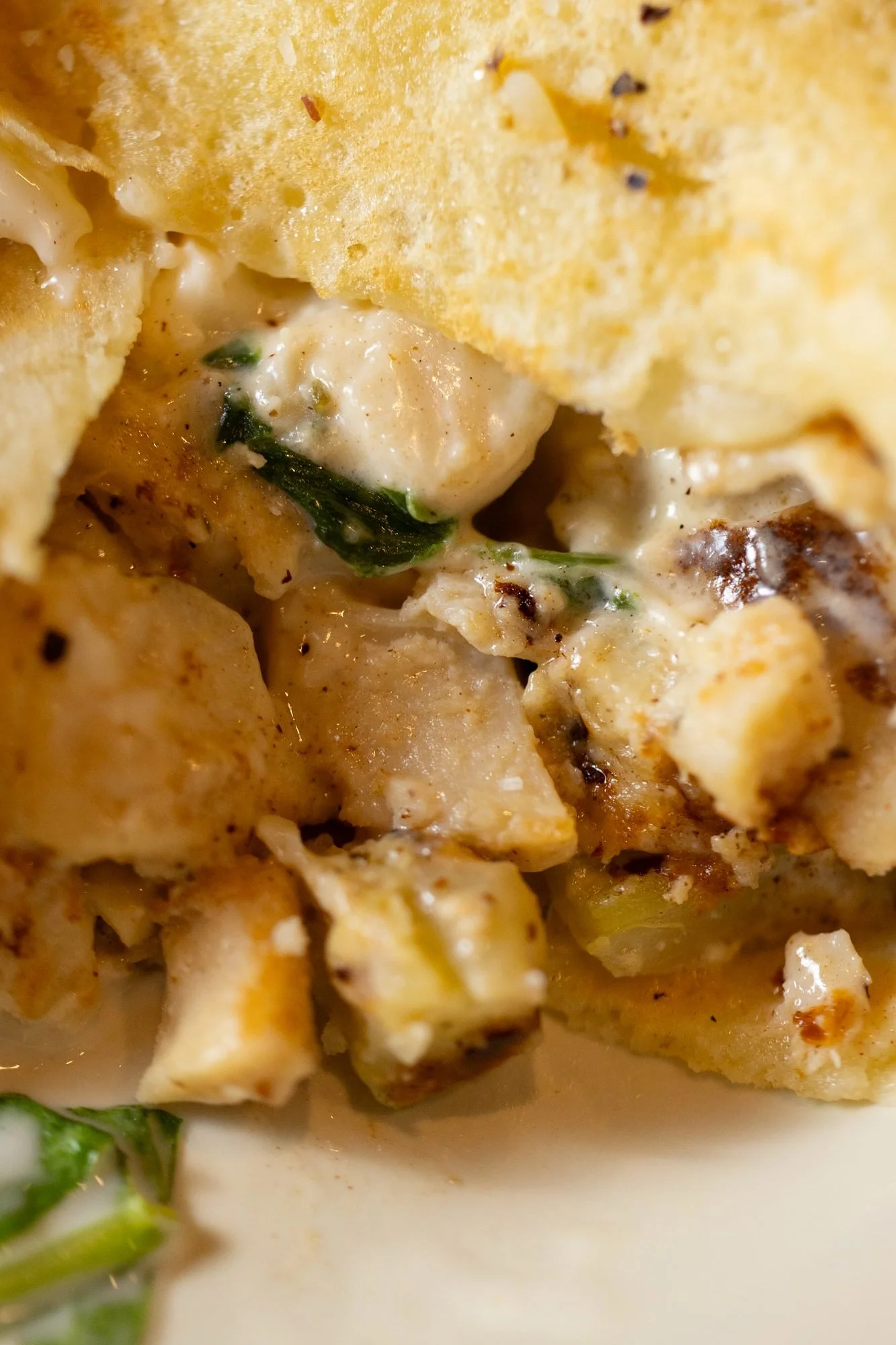
What The Crepery got out of it
A tight set of frames that post well vertically, crop to anything, and make the fall crepes look like the reason to come in. Because the set is small and every frame is distinct, there is no sorting through near-duplicates; someone at the shop can open the folder, grab a photo, and post. That is the whole point of a seasonal set. If you run their socials or yours and want to see how I package this kind of thing month to month, the social media content page shows the shape of it.
Take your phone into your kitchen this week, pick your one most-ordered dish, and photograph it from six inches away in window light, no flash. Then photograph it from where a customer sits. Put the two photos side by side and ask three people which one they would order. You will almost certainly post the close one, and that tells you how the rest of your menu should be shot.
Getting close is not a style choice. It is the answer to a specific problem, and crepes are the clearest version of that problem I have ever photographed.
I run Sarah Rasmussen Productions from Logan and photograph and film restaurants, shops, and brands across Logan and Cache Valley, from short seasonal menu sessions to full brand days.
See more of my food photography in Logan.
Got a seasonal menu that deserves a closer look?
Send me the dishes you are launching and when they go live, and I'll tell you exactly how close we should get.
Shoot my new menu📞 Call or Text: 435-764-3606
✉️ sarahrasmussenproductions@gmail.com
📍 Serving Northern Utah & Southern Idaho
