Brand Photography in Logan, Utah: A Business Guide
Brand photography is not a headshot and a logo. It is every photo a customer needs to understand your business. Here is what it covers, how a shoot works from planning to delivery, and how to get real use out of the results.
Looking to book? See brand photography in Logan, Utah.
Brand photography captures the full visual story of a business: the services you perform, your workspace or storefront, your team and the products or work you finish. A good shoot is planned around how the photos will be used, shot on a normal working day, and delivered as a library you can use on your website, social media, Google listing and ads for months.
- Show the real work, the real space and the real people
- Plan the shot list around where every photo will live
- Refresh the library as your business changes
I'm Sarah, a commercial photographer and videographer in Logan. Most of my work is brand photography for restaurants, shops and service businesses around Cache Valley, and owners tend to ask me the same questions before they book. This guide answers all of them in one place, in roughly the order you will need them.
What is brand photography, exactly?
Brand photography is a collection of images that tells the visual story of a business as a whole. It is not a single portrait. It is the environment where you work, the services you perform, the people behind the brand and the details that make it yours.
Think of it as working material rather than decoration. The photos exist to help customers understand what you do, who you serve and what the experience will be like, before they ever contact you. A pretty picture that does not answer one of those questions is not doing its job.
Why does brand photography matter for a local business?
Because most customers meet your business through a photo before they meet you. They search Google, scroll social media or browse a directory, and the images are the first thing they notice when they land on your page.
In those first seconds people are looking for three things: what the place looks like, what you actually offer, and who works there. Clear photos answer all three without anyone reading a word. A dim, crooked phone photo answers them too, just not in your favor.
Clarity reads as credibility
Our brains link clarity with credibility. Bright, consistent, intentional images signal that a business is organized, cares about details and takes its work seriously. A random mix of old phone shots signals the opposite, even when the business itself is excellent. Many services are also simply easier to understand visually: a photo can show how a service is performed and what the result looks like faster than a paragraph can explain it.
Real beats stock
Stock images are the quickest way to look like everyone else. Photos of your real team, your real space and your hands at work are the quickest way to look trustworthy. When customers can picture the experience before they arrive, choosing you gets easier, and in a place like Cache Valley people notice right away when a brand feels real.
Brand photography is not one photo of you. It is every photo a customer needs to understand your business.
What should a brand shoot cover?
A complete brand shoot covers four things: your services in action, your space, your people, and your products or finished work. Small details round it out.
Services in action
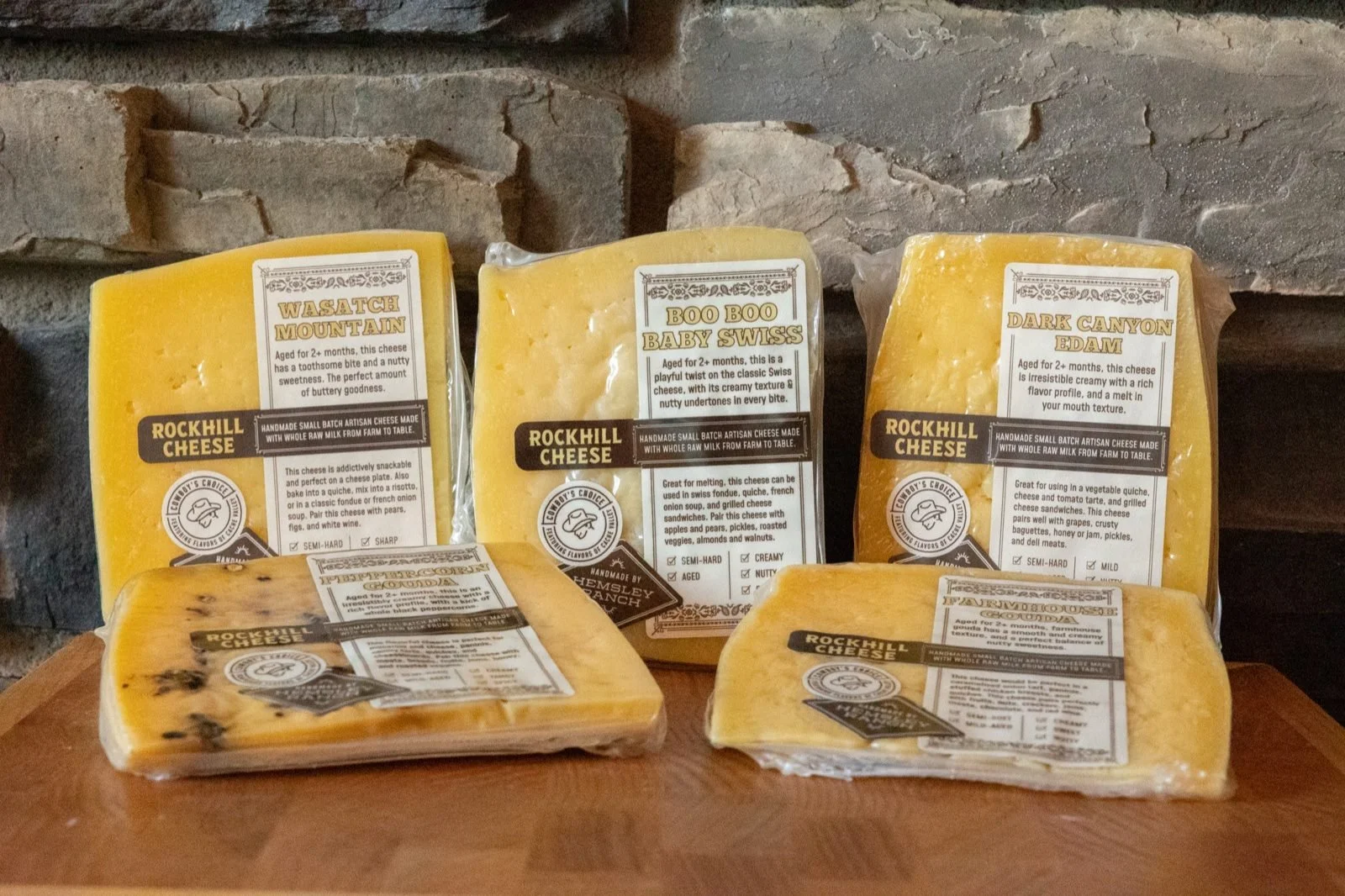
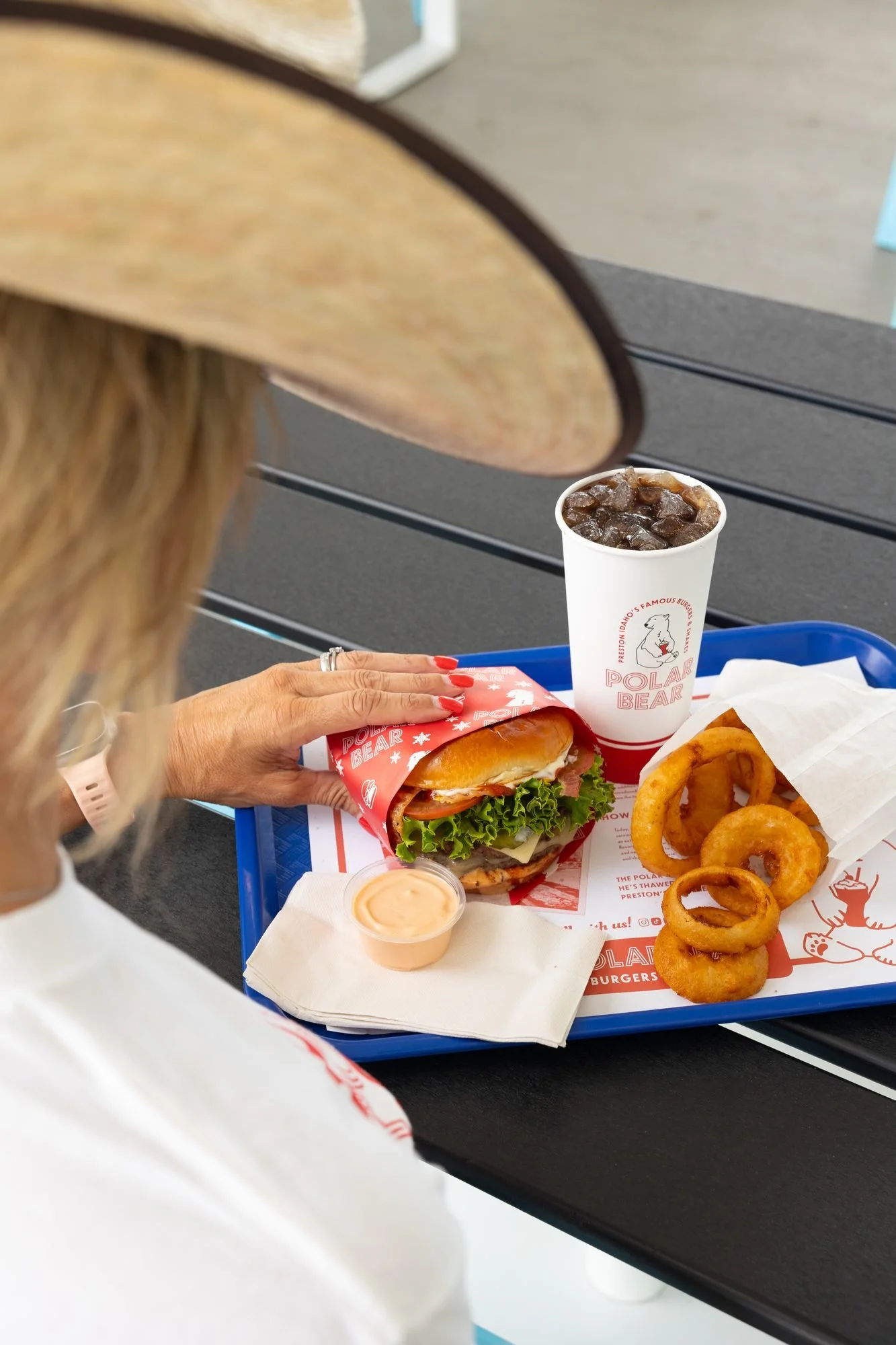
This is the most valuable part of any session. I document the work as it happens: services being performed, products being prepared, tools and materials in use, staff working with customers. These are the photos that show what you actually do.

Your space
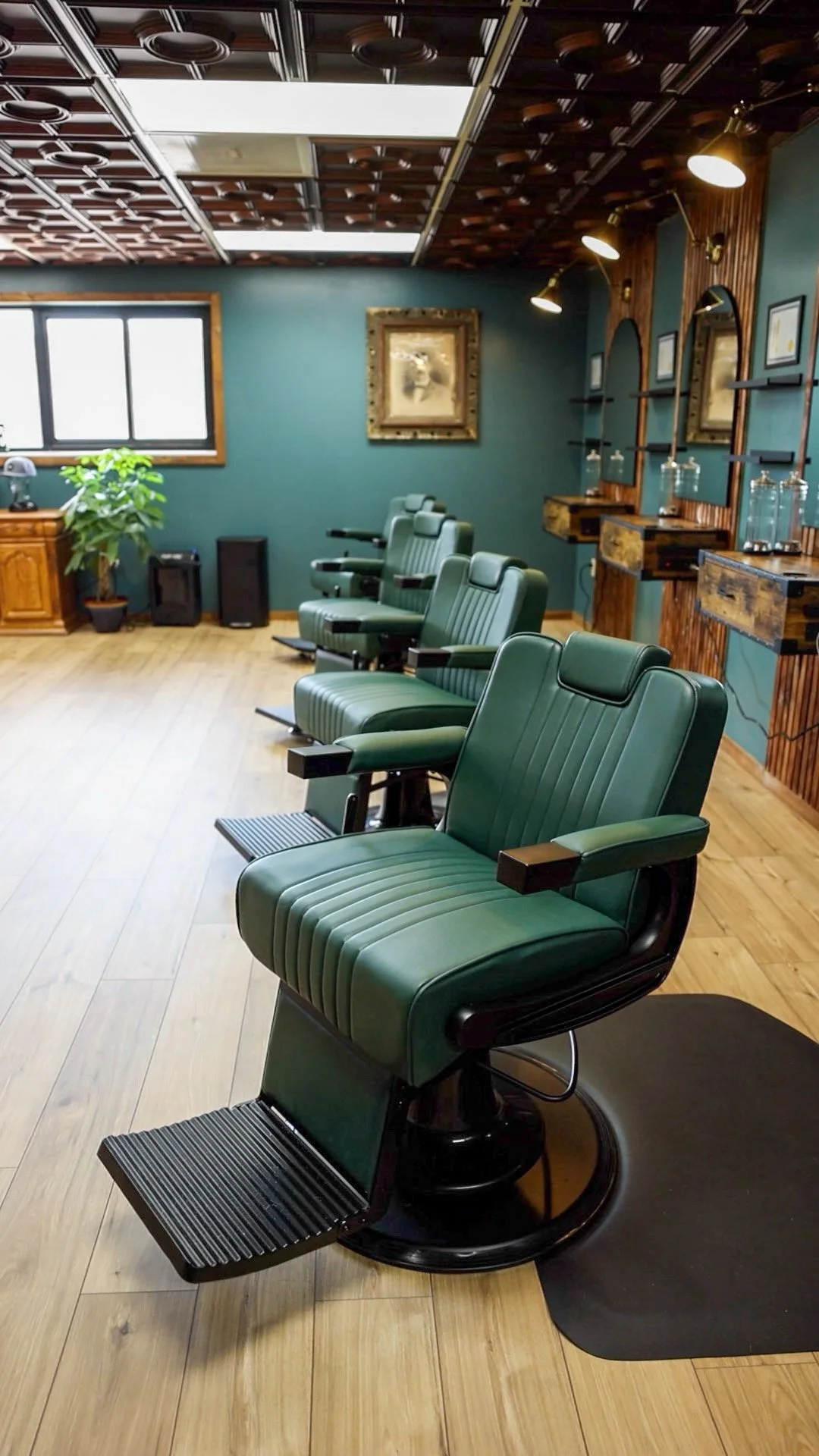
The storefront or entrance, the interior, the layout and the equipment all shape how customers see you. Photos of the space help people feel familiar with your business before they visit, which matters most for restaurants, salons, gyms and retail shops, where the environment is part of what people are buying.
Your people
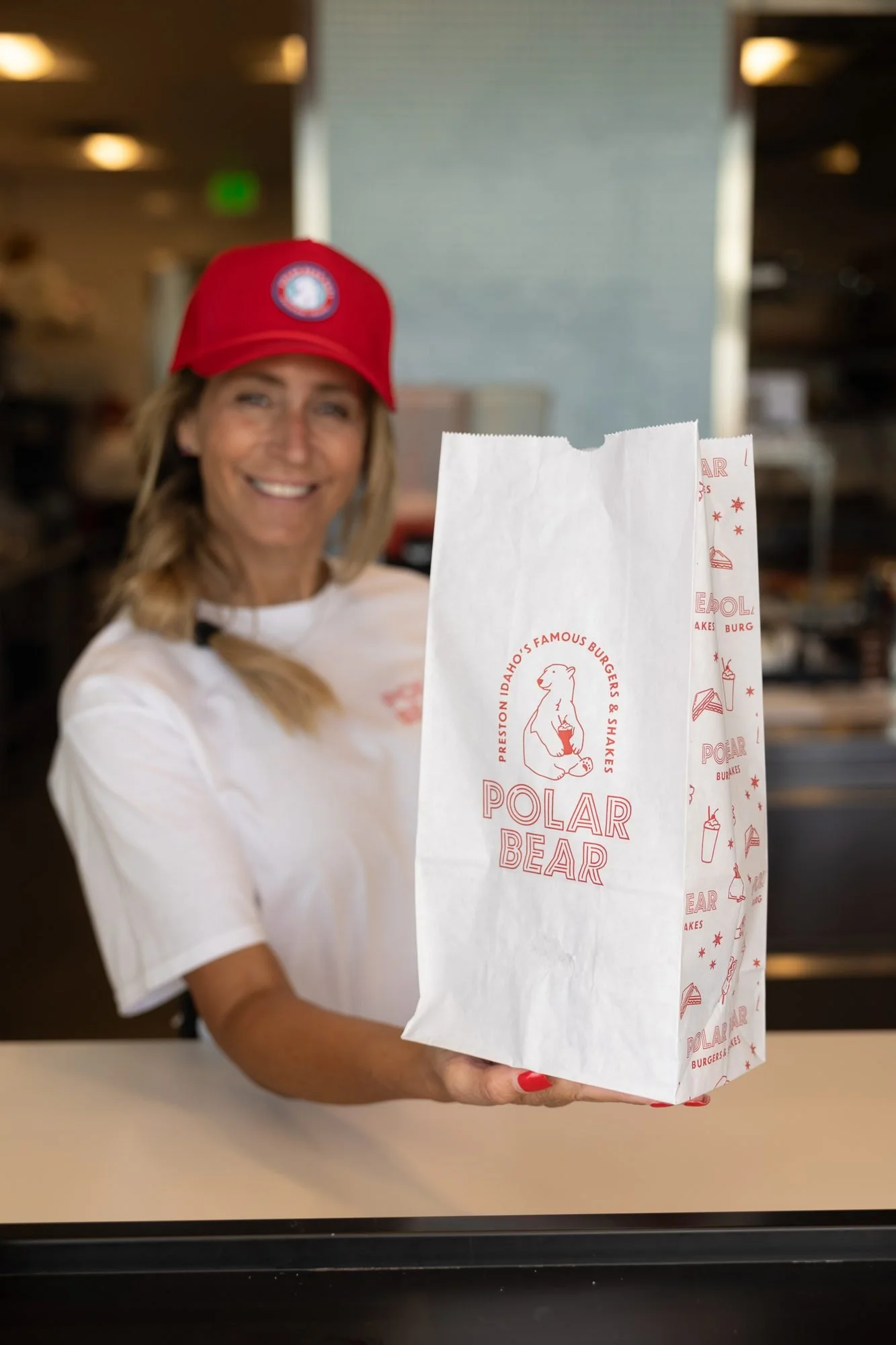
Customers feel more comfortable when they can see who is behind the business. That might be team members providing services, staff working together, or an owner talking with a customer. People add personality that a product shot cannot.
Products, finished work and details
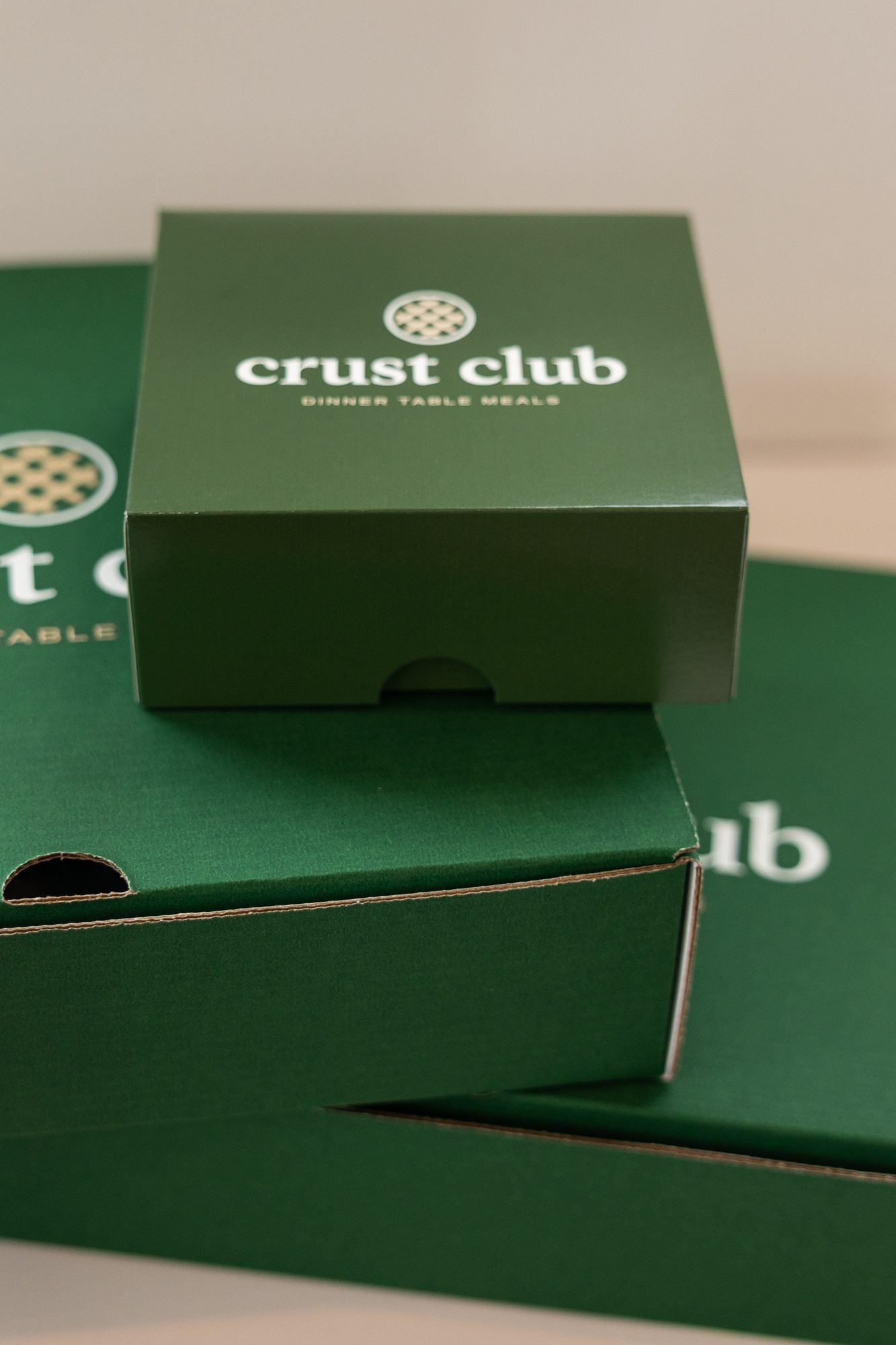
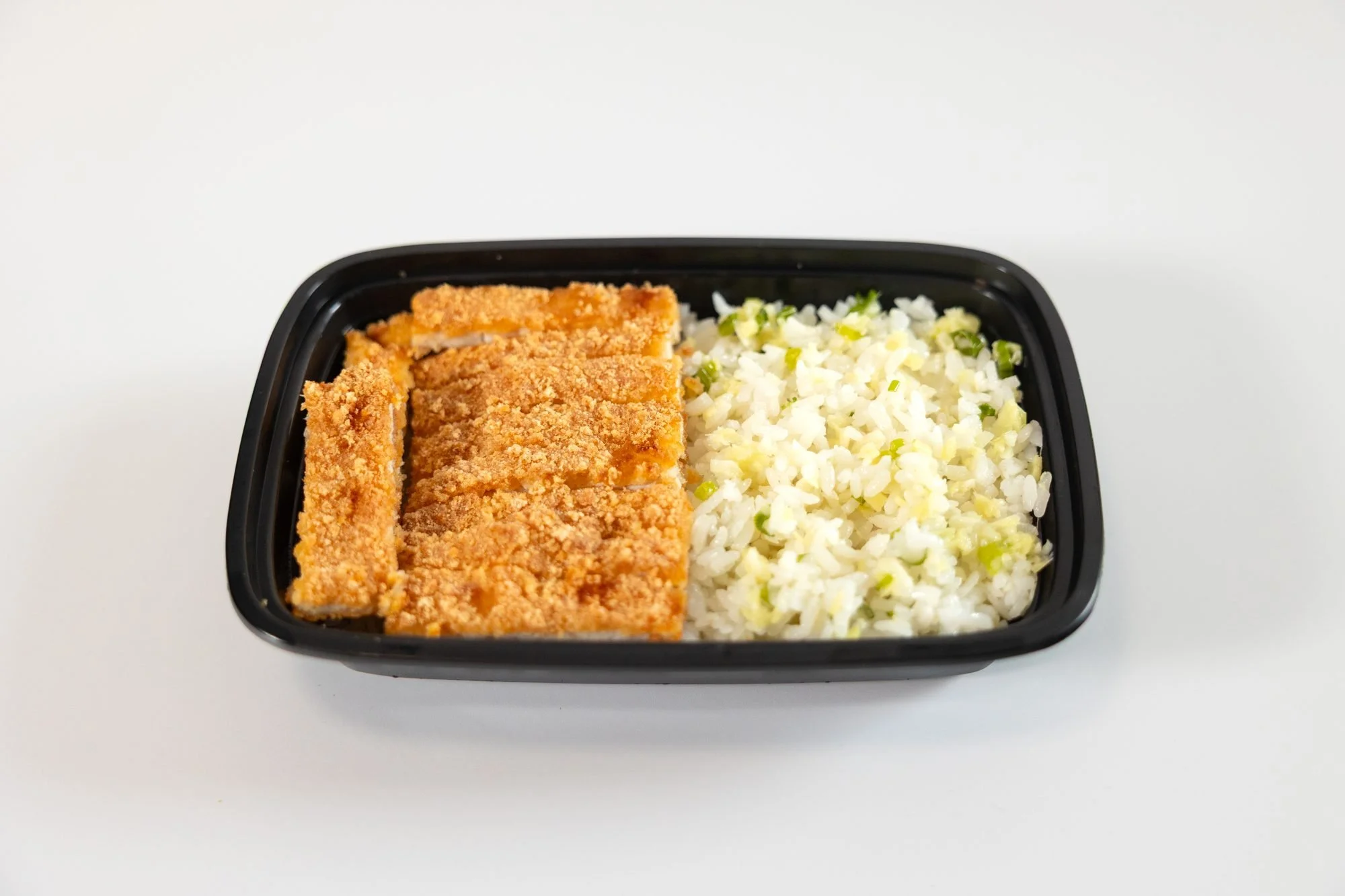
Clean product frames, finished projects and close details show the quality of what you make. Plain, simple frames get used far more than people expect, because they work on a website, a menu, an ordering app and an ad.
Should I add video to my brand shoot?
Usually, yes. Photography is the foundation, and short video clips add movement, atmosphere and personality that a still cannot.
Photos do the heavy lifting on websites, marketing materials and social posts. Video works best for Reels, promotions and ads: a service in progress, a quick walkthrough of the space, a behind-the-scenes moment. According to Wyzowl's video marketing statistics, 91% of businesses use video as a marketing tool, and many report higher engagement from it. I can capture both in the same visit, so one session updates several platforms at once. If you want a full film rather than clips, my guide to commercial video in Logan covers that side.
How do you plan a brand shoot?
Most of the value of a brand shoot is decided before I pick up the camera. I plan every shoot in five steps, so the day produces photos you will actually use.
- Understand the business. We talk through your main services or products, where the work happens and how the visuals will be used. A takeout menu needs different photos than a boutique or a contractor. First-time clients start this conversation in a Brand Kickoff Session.
- Pick the key visuals. We list the moments that need to be captured: services being performed, the workspace or storefront, products or finished work, and team members with customers.
- Plan the locations. Most shoots happen at the business itself. I look for good natural light, clean backgrounds and room to capture services in action. Small changes make a big difference: moving a chair, clearing a counter, opening a blind.
- Plan the video. Clips are planned alongside the photos so one visit covers both.
- Build the shot list. A clear list keeps the day efficient and makes sure nothing important gets missed.
The most useful thing you can bring to planning is a list of where the photos will appear. Website banners need wide frames, social posts need vertical ones, and a Google listing needs a clear exterior. Knowing that ahead of time shapes every frame.

Preparing your space
Before I arrive, owners usually tidy the workspace, clear clutter, get products or materials ready and let staff know they may be in photos. Those small steps make a space look polished while still feeling natural. My prep guide has the full checklist, and this post on how to prepare your business for a brand shoot walks through it in more detail.
What happens on the day of the shoot?
The best shoot days look like a normal workday. You go about your usual routine and I work around you, photographing the environment, capturing services in action and recording short clips as we go.
Most of what I shoot is not staged. A few planned product frames sit alongside the real moments: a service being performed, a staff member with a customer, the counter during a rush. I encourage people to show up as themselves, to laugh, move and talk, because when personality comes through, customers see you as approachable rather than posed.
Plenty of owners feel nervous before their first shoot, but the best content almost always comes from the work they already do every day. Working from a clear plan means a single session can produce a large amount of marketing content in a short time.
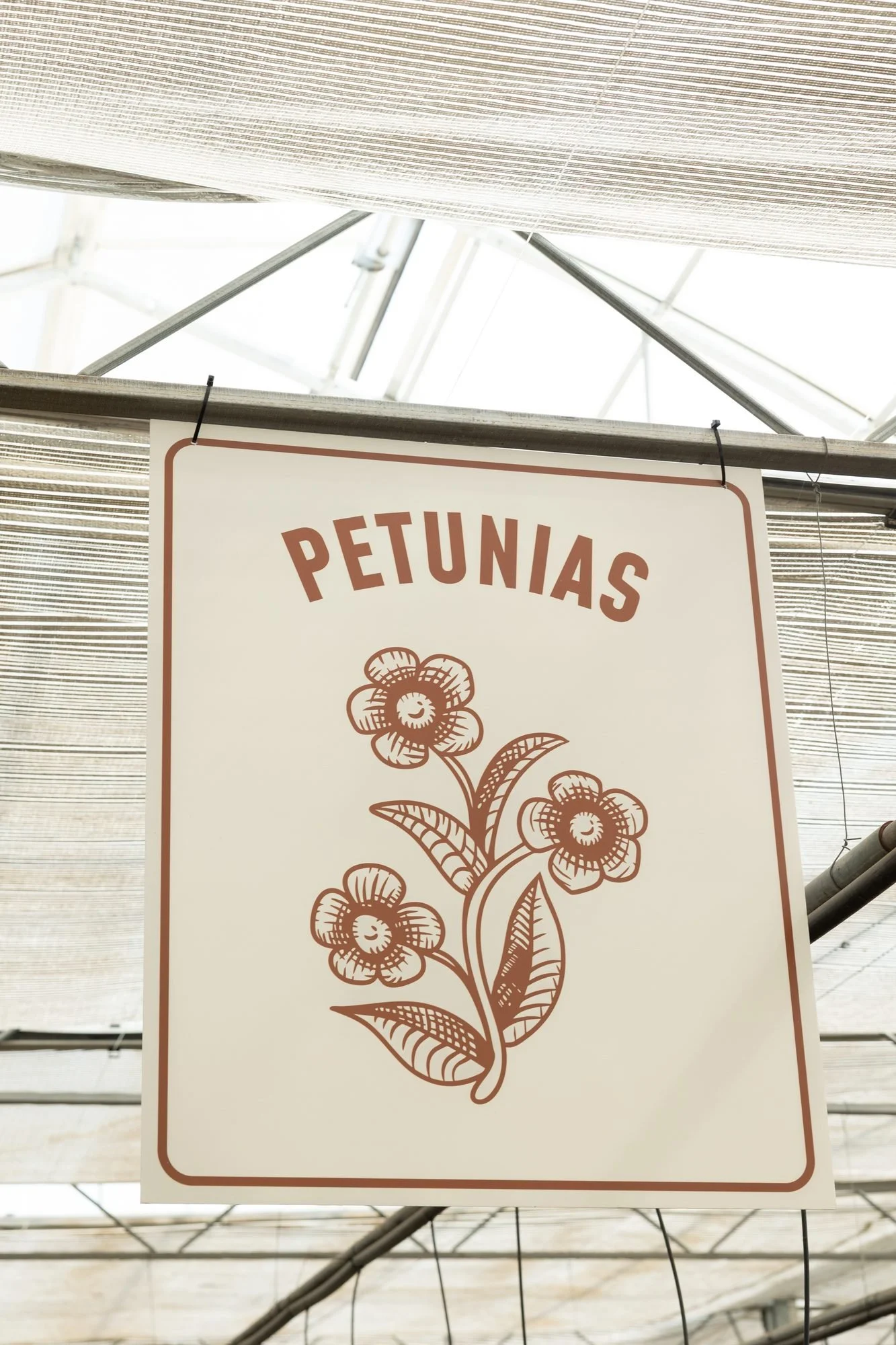
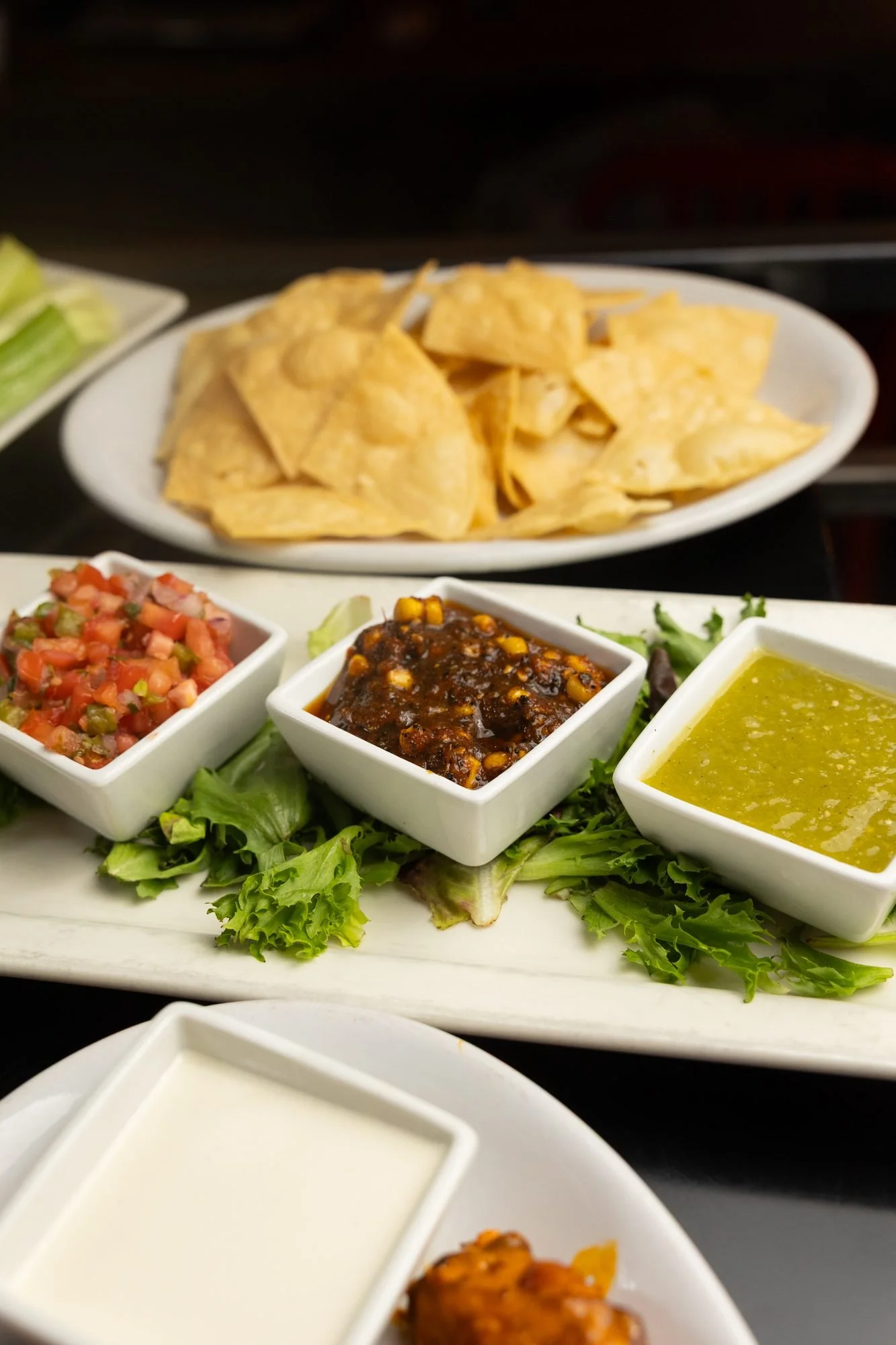
If you want to see a full session from start to finish, read inside the Prodigy brand shoot.
What do I get after the shoot, and where do I use it?
You get an edited library of photos, plus video clips if we filmed, that is polished and consistent in lighting and style. That library is meant to be used everywhere you market.
The same set can cover your website homepage and service pages, social media posts, your Google Business listing, online ads, and printed marketing. Having it ready means you are not hunting for something usable every time you post or update a page, and it is what keeps your look consistent month after month. Consistency is what makes a business look established.
A planned shoot also gives you range. One setup shot from a few angles, or one product on two different backgrounds, gives you several looks for the feed without another session. If you want help turning the library into a steady posting rhythm, my social media content guide picks up where this one ends.

Why does it help to hire a local photographer?
A photographer who already knows your town spends less time figuring things out and more time getting the shots you need. Almost all of my work happens within a short drive of Logan, and that shows up in a few practical ways.
- I know the business community. I work with local restaurants, shops and service businesses all the time, so I know which photos actually get used and which look nice but never leave the hard drive.
- I know the locations. Which spots photograph well, where the light is good at which time of day, and where the interesting backdrops are. See my picks for the best photo locations in Logan.
- Planning is easier. I can visit before the shoot, talk through ideas in person and adjust if the weather turns.
- The work gets better over time. As I learn your brand style and services, the second shoot is faster than the first, and the content from both fits together.
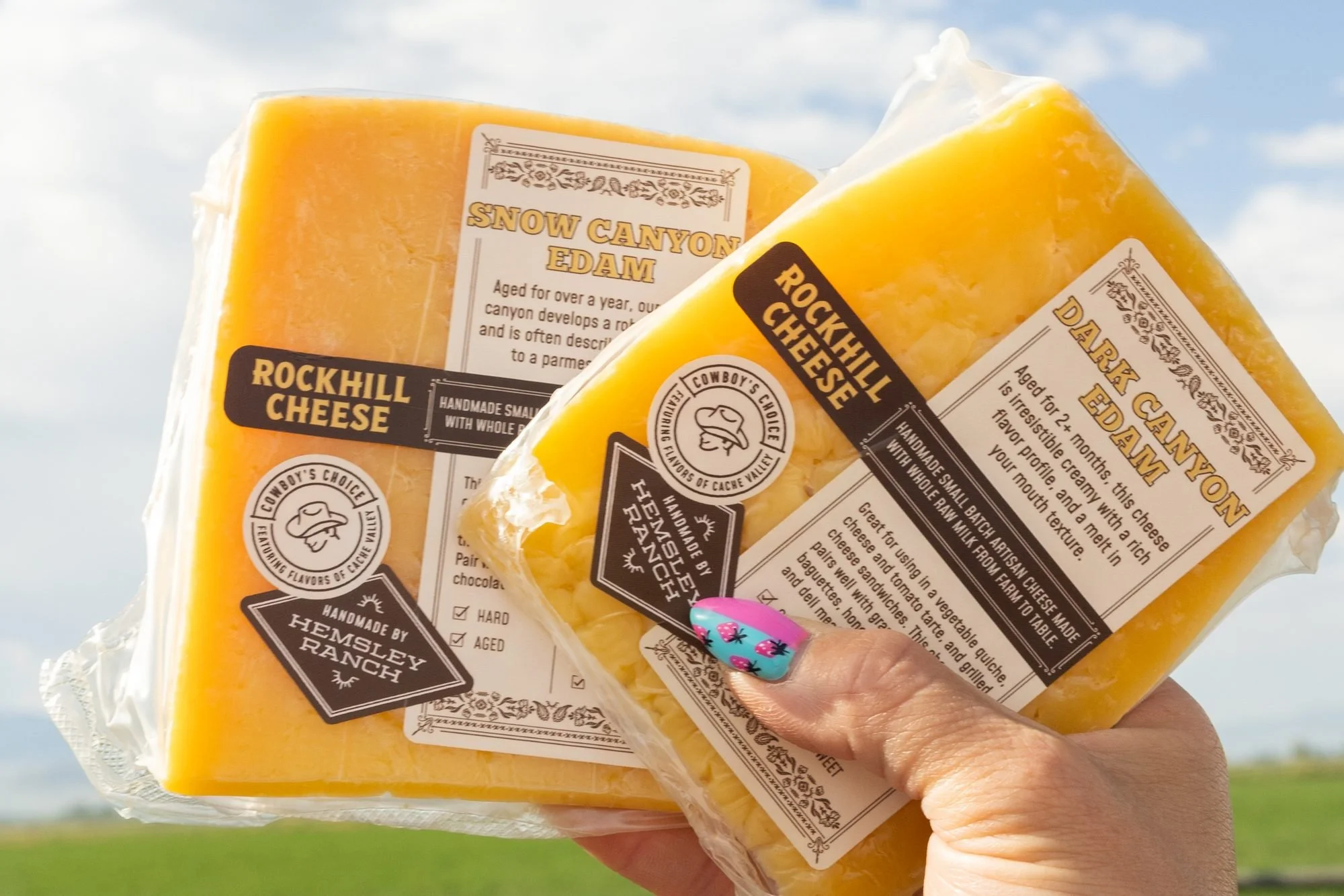
Whoever you hire, ask to see work they have done for a business like yours, in your area, and how those photos were used. You can see mine on my work page.
What are the most common brand photo mistakes?
The biggest mistakes are relying on old phone photos and stock images, and staging everything. Most of the rest come from not planning.
- Running everything on phone photos. They are fine for a quick story, but as your main marketing images they make a professional business look less polished than it is.
- Using stock photos. They tell customers nothing about you. Replace even one with a real photo of your team or your hands at work.
- Over-staging. Stiff poses and perfect scenes feel less trustworthy than real moments.
- Shooting without a plan for use. Without a list of destinations you end up with lovely vertical frames and no website banner.
- Treating it as a one-time job. Trust comes from consistency, not from one great photo.
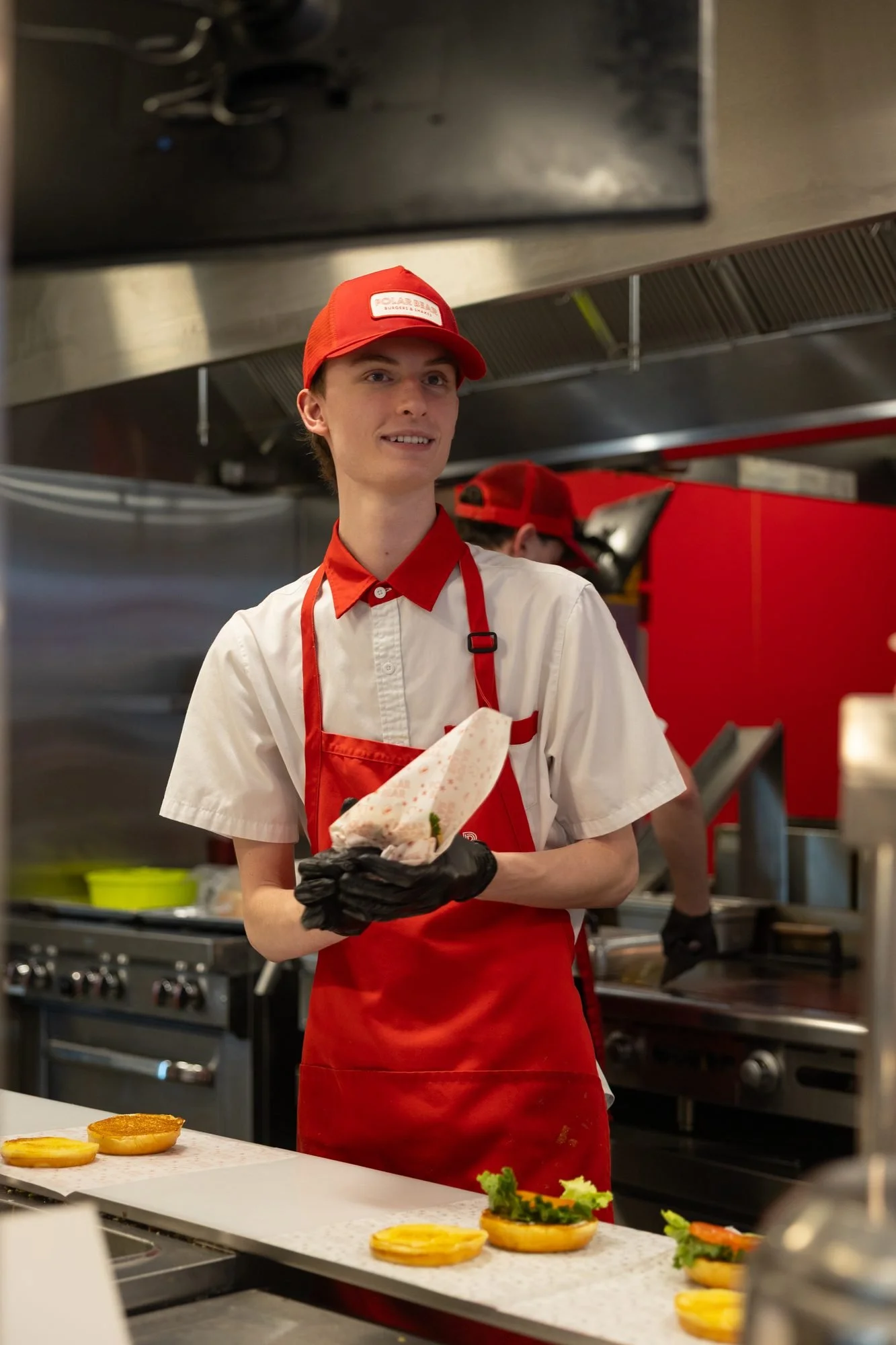
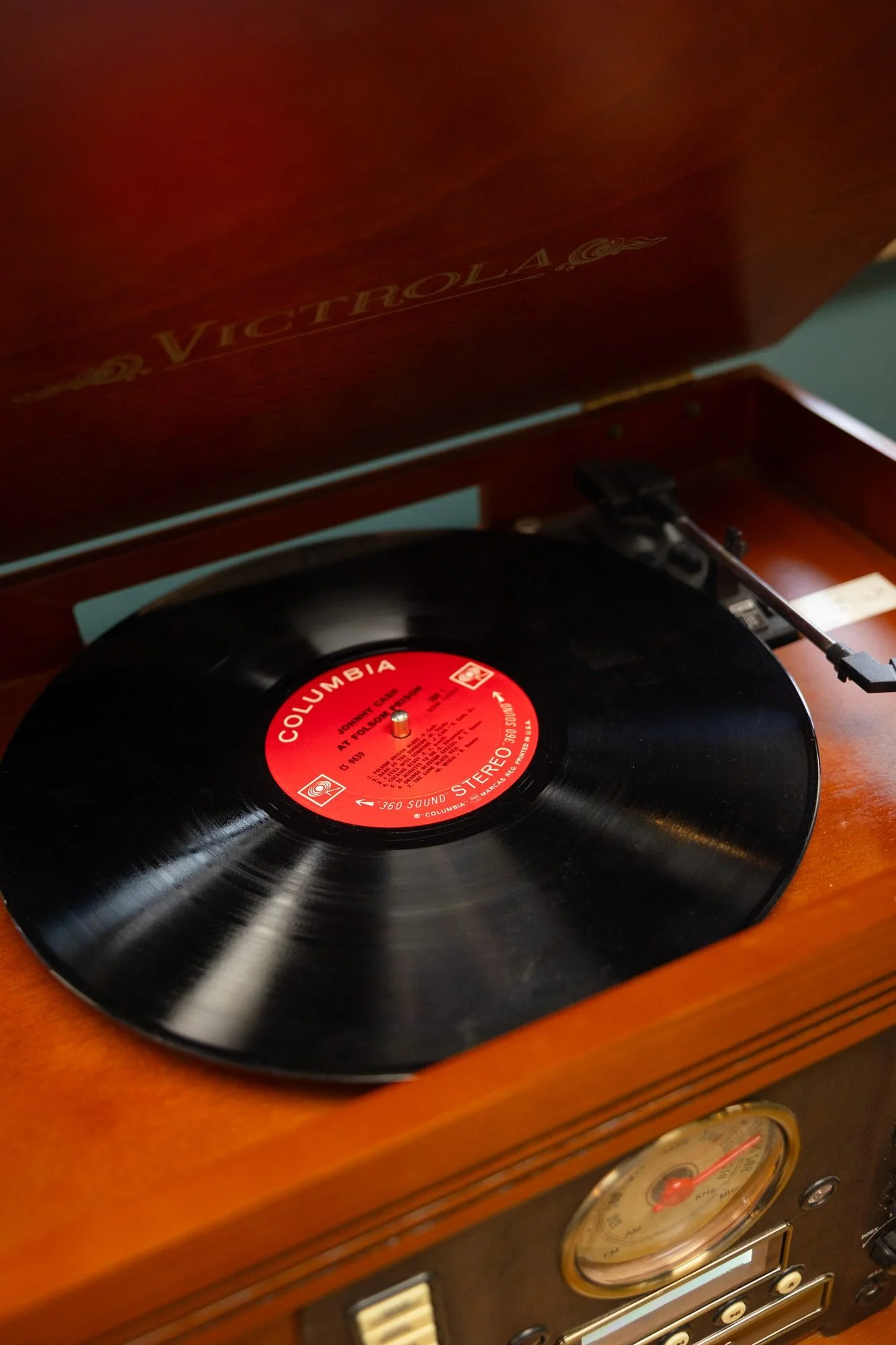
How often should I update my brand photos?
Most businesses do well with a full refresh every one to two years, and sooner when something visible changes. Old photos can be good photos and still be inaccurate.
These are the five signs I walk owners through:
- Your photos are several years old. Equipment, layout and products change, even if the photos still look nice.
- Your space has changed. If you remodeled, customers should see the improvements you paid for.
- Your team has grown. If the website only shows the original staff, customers will not recognize the people they actually meet.
- Your branding has changed. Photos made before a rebrand can clash with new colors and logos. A fresh shoot can be planned around your current look.
- Your marketing feels tired. The same handful of images year after year makes a whole brand feel stale.
If you are not sure where to start, start with whatever changed most: the space, the team or the product. For growing businesses that post often, regular monthly or quarterly sessions keep the library fresh and the look cohesive, which is what monthly social content is built for.
Look at your website and social profiles as if you were a first-time customer. Can you tell, within five seconds and without reading, what the business does, what it feels like inside and who works there? Any of those three you cannot see is your next photo to take. Set a reminder to do this once a year, and reshoot anything that no longer matches what a customer sees walking in today.
How much does brand photography cost?
Brand photography with me starts at $1,200, and simpler photo shoots start at $600. For bigger needs, a photo day is $1,500 for a half day or $2,500 for a full day.
First-time clients start with a one-hour Brand Kickoff Session for $950. Drone coverage is a $300 add-on, and brand films start at $2,000 if you want video beyond short clips. A monthly content partnership is $1,800 a month. Full details are on my pricing page.
Is brand photography right for my type of business?
If customers look you up before they visit, it is. I photograph restaurants and cafes, salons and beauty businesses, gyms and fitness studios, contractors and service businesses, and boutiques and retail shops across Logan, Cache Valley, Ogden, Brigham City, Layton and Southern Idaho.
The kind of business changes the shot list, not the goal. A restaurant needs menu items and the dining room, a contractor needs work in progress and finished projects, a boutique needs product and the shop floor. In every case the aim is the same: show customers clearly what you do, so choosing you feels easy.
Great photos tell your story without needing many words. When people can see your services, your space and the people behind your brand, they understand what makes you unique. Start with the everyday moments that represent your work best, plan where each photo will live, and keep the library current as your business grows.
I'm Sarah Rasmussen, and Sarah Rasmussen Productions is the commercial photo and video business I run from Logan for restaurants, shops, service businesses and brands across Logan, Cache Valley, Ogden, Brigham City, Layton and Southern Idaho.
Ready for brand photos that look like you?
Tell me about your business and what customers should see first, and I will plan a brand session around it.
Book brand photography📞 Call or Text: 435-764-3606
✉️ sarahrasmussenproductions@gmail.com
📍 Serving Northern Utah & Southern Idaho
