Do You Still Need a Website If Your Business Is Already on Instagram?
Your Instagram is doing great. Your website is a placeholder from 2019. Here is what each one is actually for, and why the second one still matters more than you think.
Yes, you still need a website, even if Instagram is where your customers hang out. Instagram is where people discover you and check that you are alive. Your website is where Google sends people who are already looking for what you sell, and where they confirm your hours, your address, and whether you are worth the drive.
- Instagram does not show up in a "pizza near me" search. Your website and your Google Business Profile do.
- You do not own your Instagram account. You do own your domain.
- The fix is not a big website. It is one clean page with your best five photos, your hours, and a button.
I hear this one a lot, usually phrased as "we get all our customers from Instagram, so do we even need the website?" Sarah Rasmussen Productions is mine. I shoot commercial photo and video from Logan, and lately I have been building websites and running social accounts for the same businesses I photograph, so I get to see both sides of this argument from the inside.
The honest answer is that Instagram and a website are not competing for the same job. They are two different rooms. One is the party. The other is the front desk.
Myth: "Everyone finds us on Instagram anyway"
Fact: everyone who already follows you finds you on Instagram. That is a different group from everyone who might buy from you. Instagram is very good at reaching the people who have opted in. It is nearly useless for the person in a hotel room in Logan on a Friday night typing "wood fired pizza near me" into Google.
That search does not return Instagram accounts. It returns a map pack with three businesses on it, then a list of websites. If you do not have a site, or your site is one page that says "coming soon," you are invisible to the person who is most ready to spend money tonight.
Myth: "A website is just a brochure nobody reads"
Fact: nobody reads it like a brochure. They scan it for four things in about eight seconds: what you sell, where you are, when you are open, and what it looks like. If those four things are above the fold with a real photo, you pass. If a visitor has to scroll past a stock image of a handshake to find your hours, you fail, and they tap back to the search results.
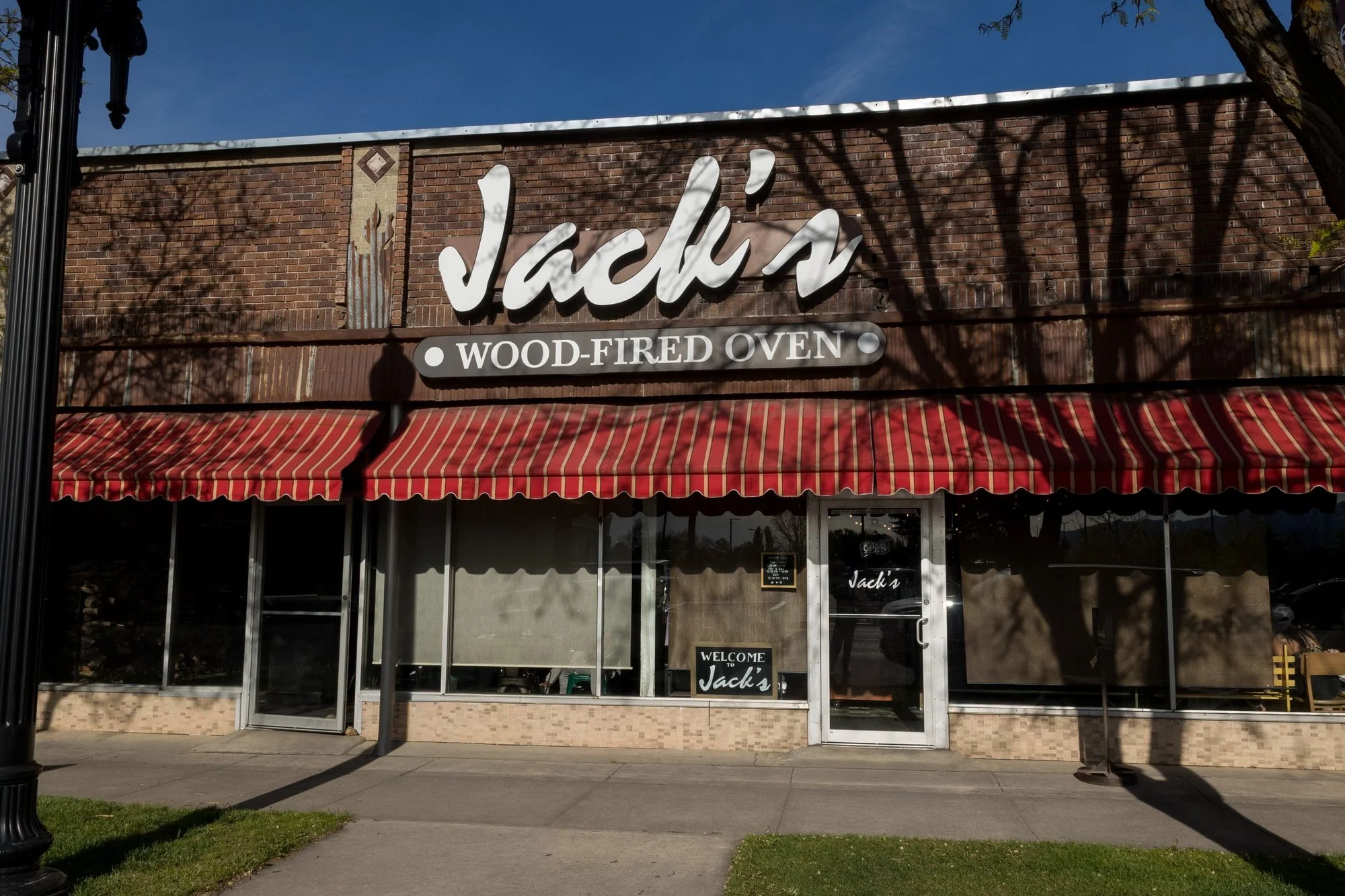
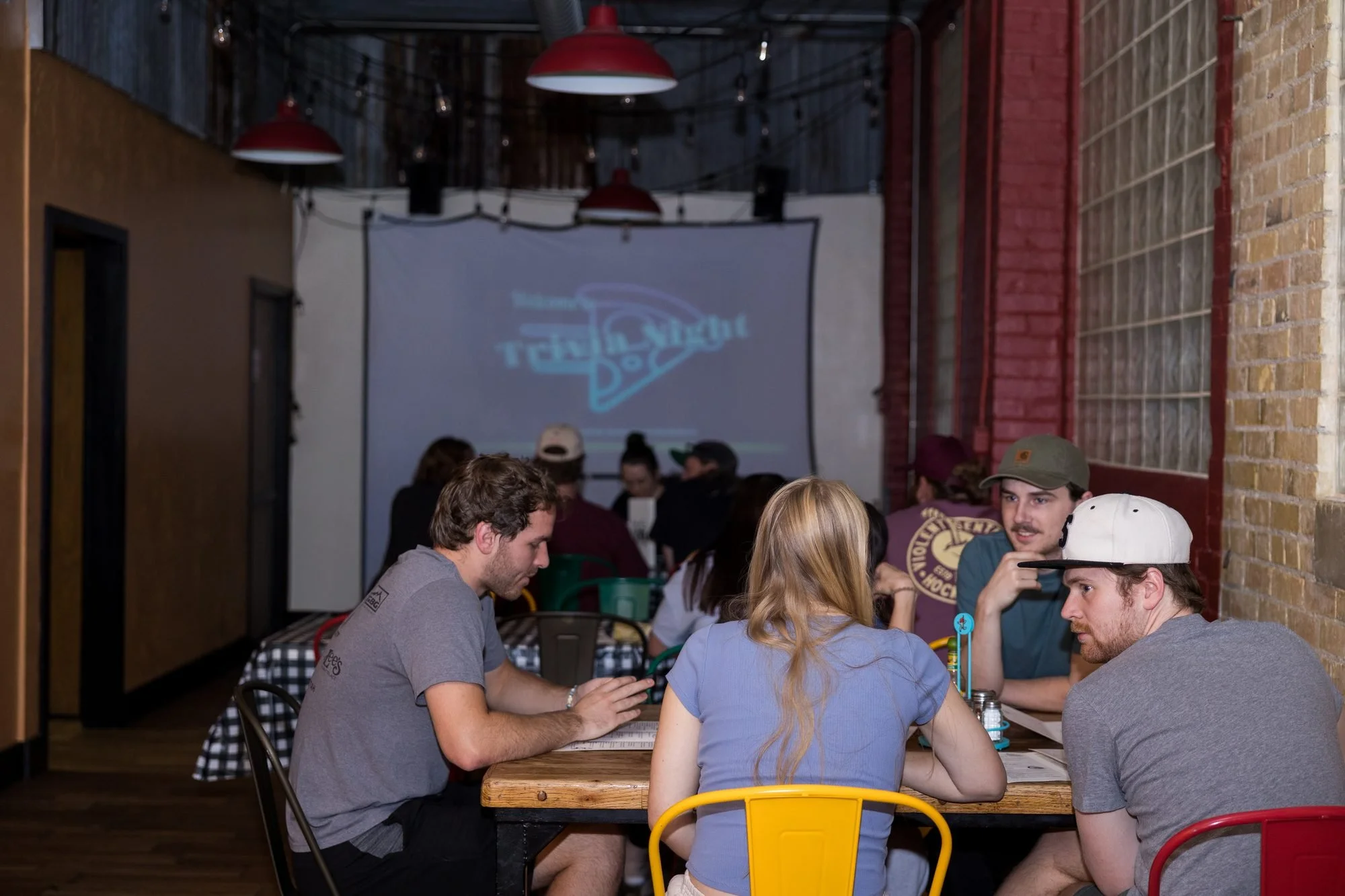
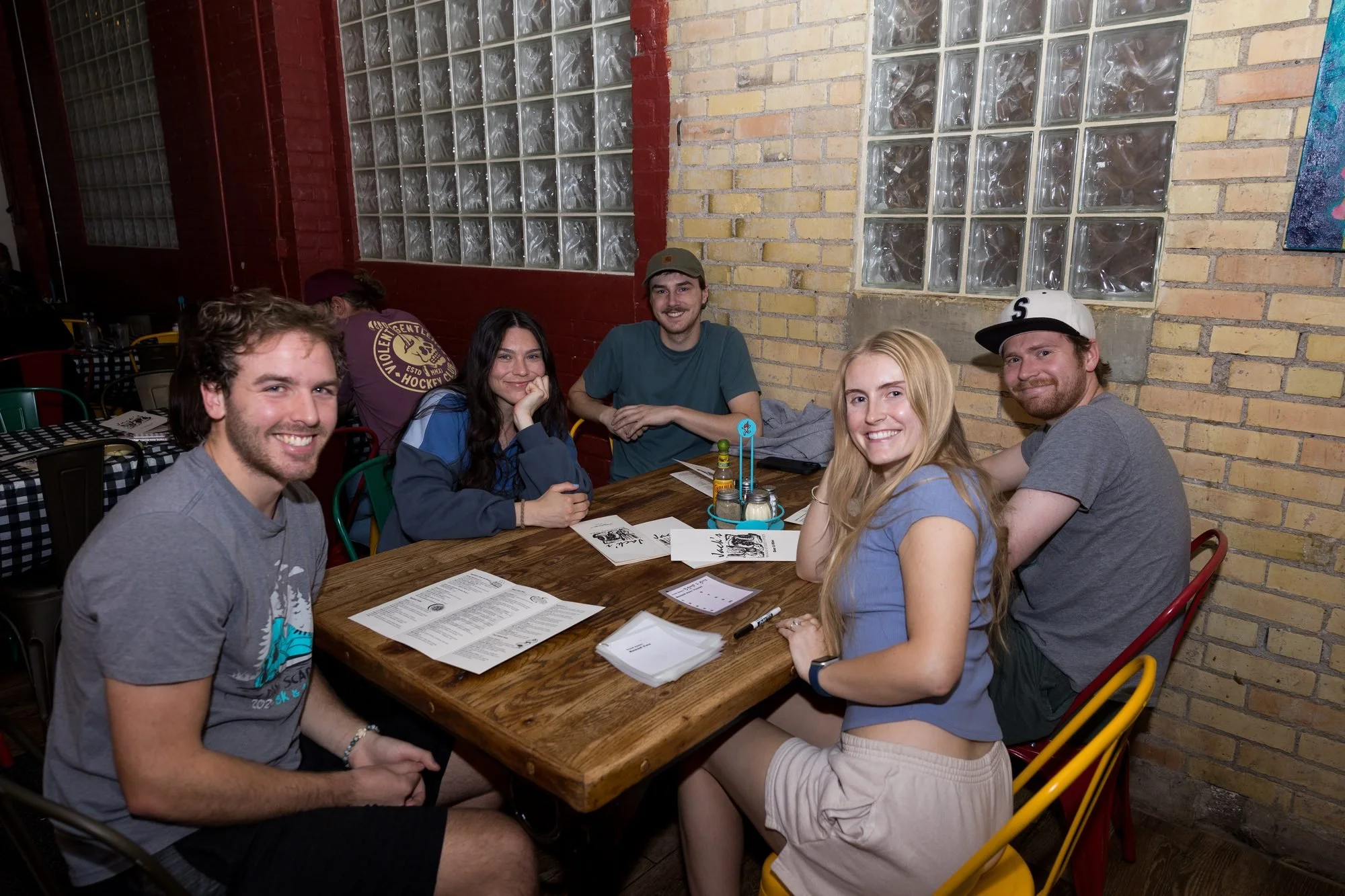
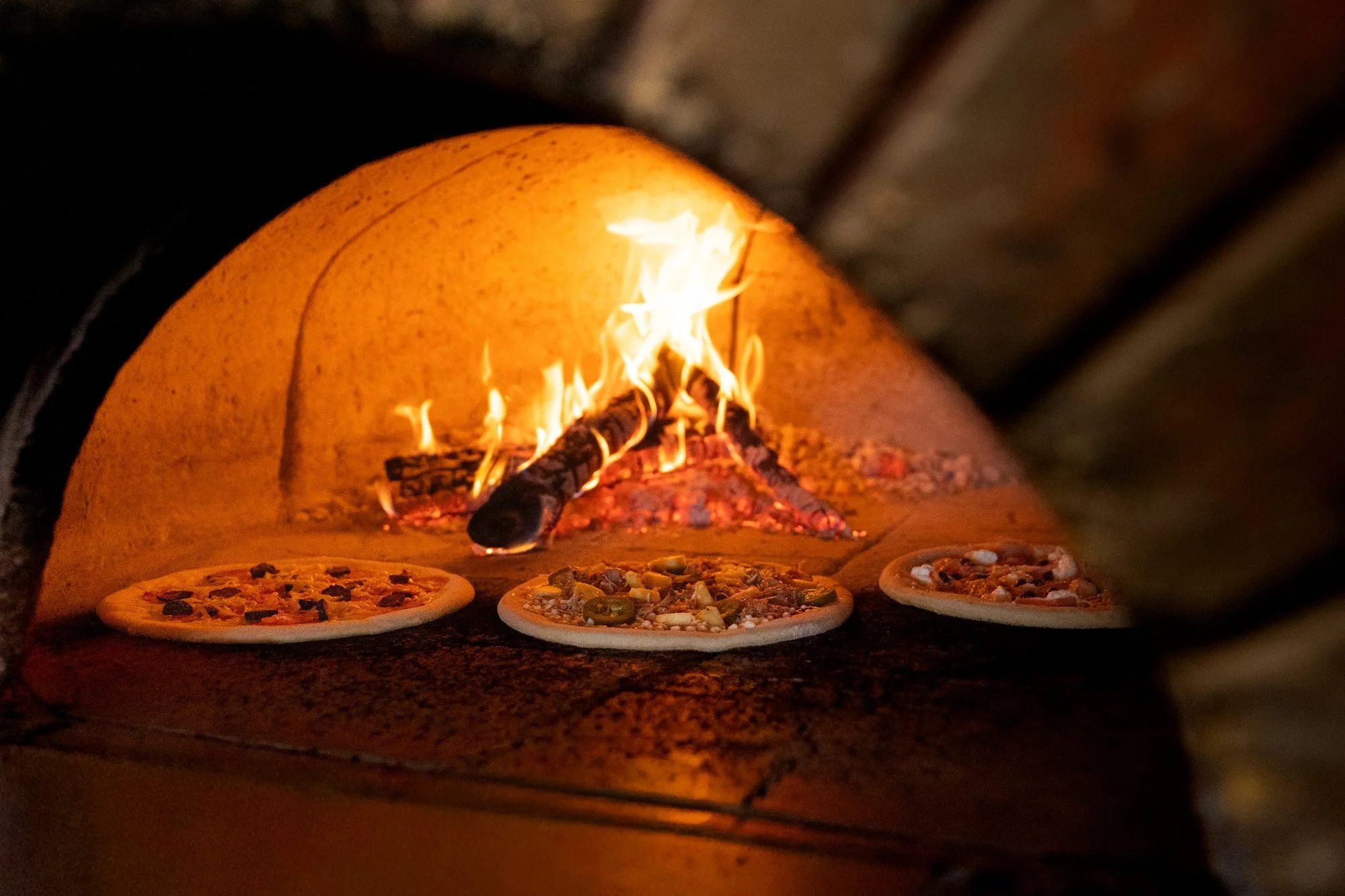
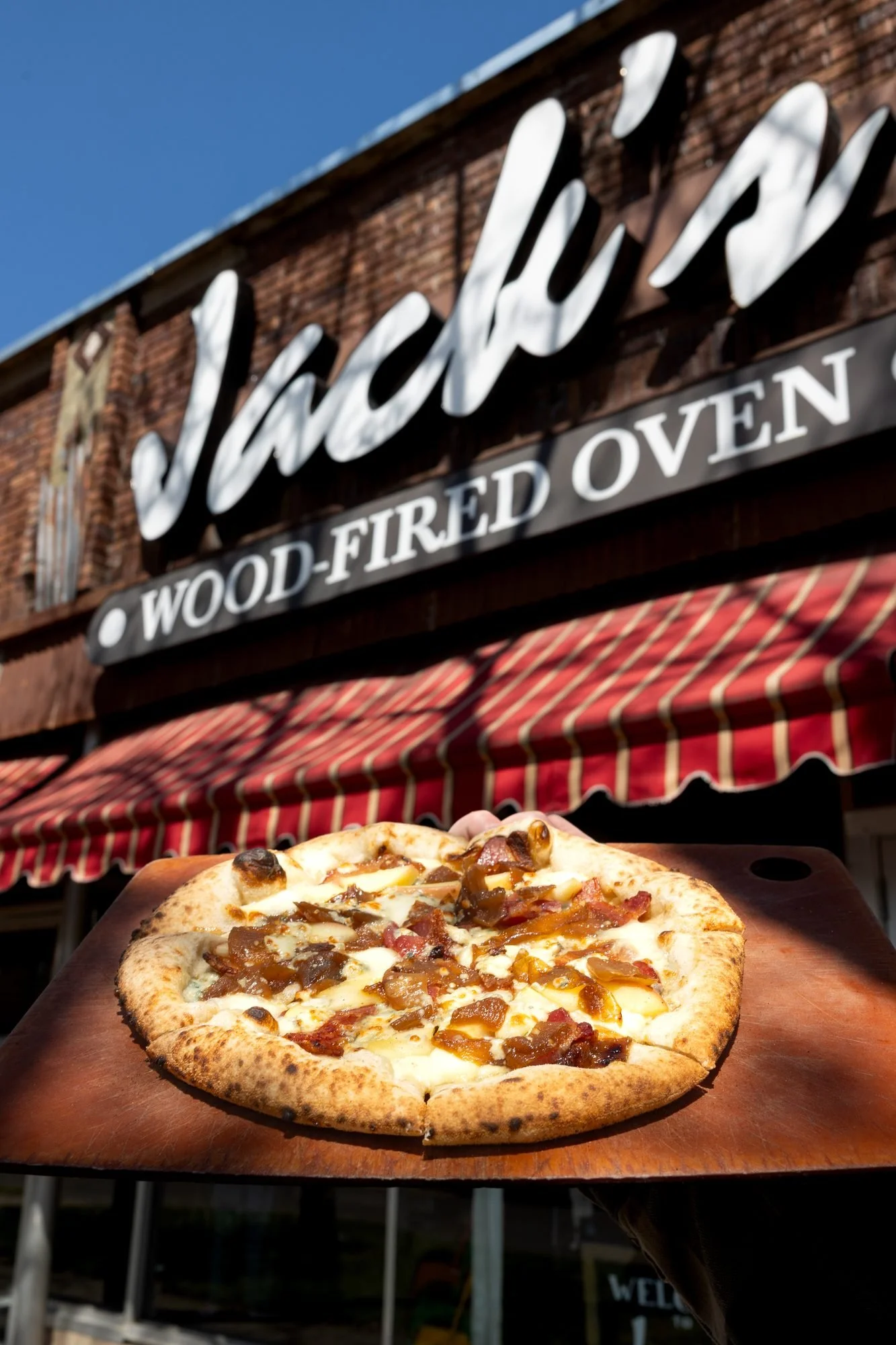
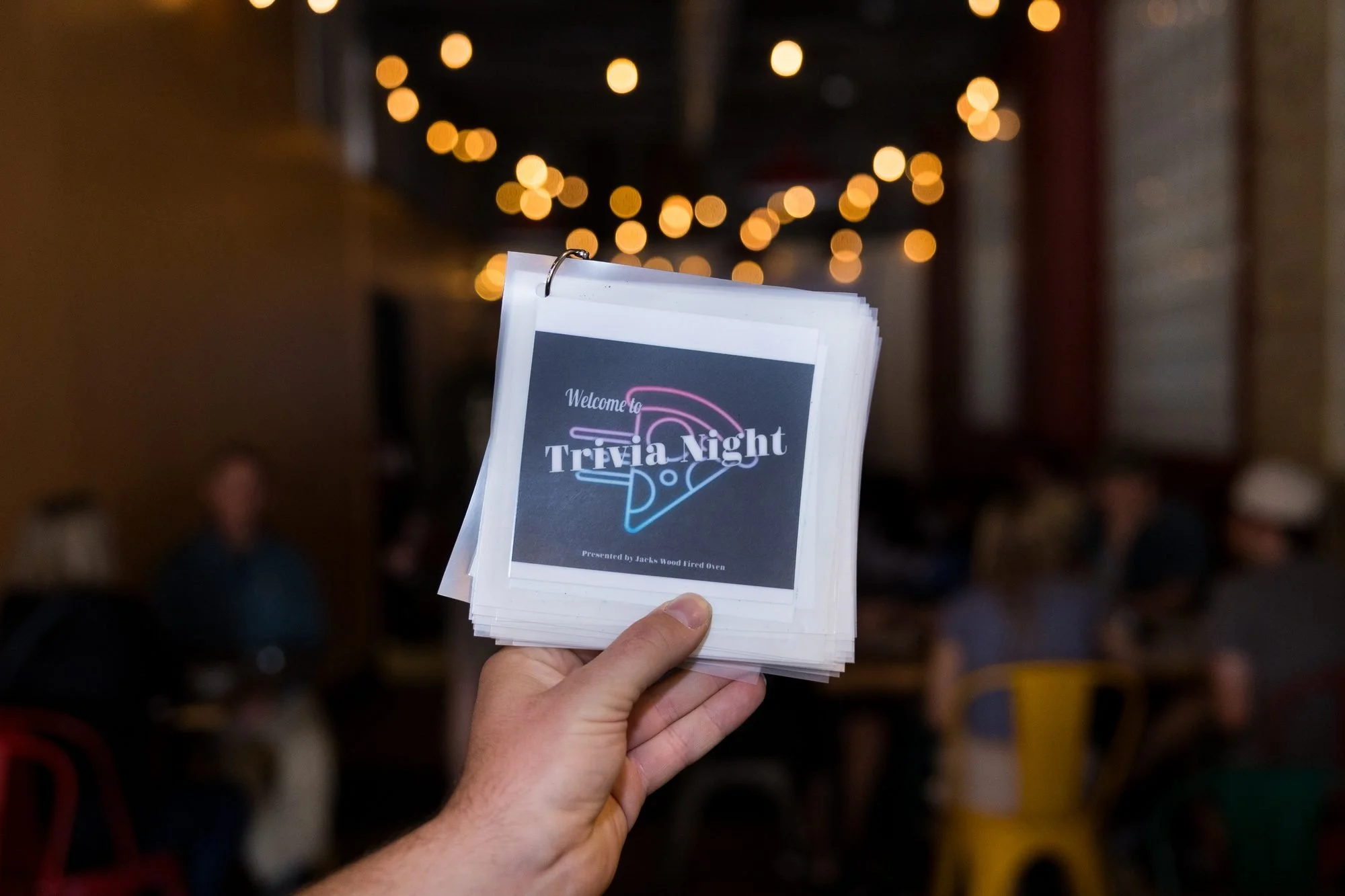
That is why I keep telling clients that a website is mostly a photo problem, not a writing problem. I shoot ongoing content for Jack's Wood-Fired Oven, and the frames on this page were shot for their social feed. Look at how easily they double as homepage imagery. The storefront up top says "here is where we are." The oven says "here is what we do." The table of friends says "here is what it feels like." That is the whole homepage. You do not need a paragraph about your passion for hospitality.
Myth: "If I post enough, I do not need SEO"
Fact: posting enough is what keeps your current followers warm. SEO is what introduces you to strangers. Google mostly ignores your Instagram captions. It reads your website, your Google Business Profile, and your reviews. A site with your town in the title, your services listed plainly, and photos with real alt text will outrank a beautiful Instagram grid every single time someone searches with intent.
You do not need to become an SEO person. You need a page that says the true thing clearly in one sentence: what you make, which town you are in, and when the doors are open. That sentence, on a page you own, does more for search than a hundred Reels. The Reels still matter. They just do a different job, and I have written before about why Reels are worth the effort for a local business.
Instagram is the party. Your website is the front desk. You need both rooms.
The thing nobody says out loud: you rent Instagram
Accounts get hacked. Accounts get flagged by a bot for a caption that mentioned a "shot" of espresso. Reach drops when the algorithm shifts, and it shifts every few months. When that happens to you (and at some point it will), every customer relationship you built lives on a platform you cannot call.
Your domain is yours. Your email list is yours. Your Google Business Profile, with every review on it, is tied to your business and your address, not to a login. The website is the thing that keeps working when your Instagram is having a bad week.
What "a website" actually needs to be in 2026
Small. Fast. Honest. For most Cache Valley businesses, one long homepage covers it: a hero photo, one sentence about what you do and where, hours and address, five or six real photos, a Google Maps embed, and one button (call, order, book). A second page for the menu or services if you have one. That is it.
What it does not need: a blog you will never update, a "meet the team" page with headshots from three jobs ago, or stock photos. If you have been posting on Instagram for two years, you already have the photos. Pull the ten best into a page and you are most of the way there.
How the two should work together
The best setup I see looks like this. The website is the stable base: hours, menu, address, best photos, a booking or order button. It changes maybe four times a year. Instagram is the living layer on top: this week's special, the trivia night, the new hire, the snow day. Every Instagram bio links to the site. Every page on the site has a small "follow along" link to Instagram. Google finds the site, the site introduces the feed, the feed brings people back.
That is roughly what I run for Jack's through the Jack's social content work: a monthly shoot produces a batch of frames, the best ones feed the grid week by week, and a handful get set aside for the website so the two never look like different restaurants. If you want the ongoing side of that, the social media content post walks through what a month of it looks like.
Open your website on your phone right now, in a private browser window, and time how long it takes to find your hours. If it is over five seconds, that is this week's fix: put hours, address, and a call button in the first screen, above the first photo. Then pull your six most-liked Instagram posts from the past year and swap them in for whatever photos are on the homepage. Two hours, no redesign, and Google will notice.
Keep posting. Instagram is genuinely where a lot of Cache Valley finds out what is happening this weekend. Just do not let it be the only address you have. The customers who are ready to buy tonight are searching, not scrolling.
Sarah Rasmussen Productions is a commercial photo, video, and web studio in Logan, Utah, and I work with restaurants and small businesses across Cache Valley and Northern Utah on the pictures and the pages they end up on.
Your grid is great. Let's give it a front door.
Send me your Instagram handle and your current site, and I'll tell you honestly which one is doing the heavy lifting and what a one-page fix would look like.
Check my site📞 Call or Text: 435-764-3606
✉️ sarahrasmussenproductions@gmail.com
📍 Serving Northern Utah & Southern Idaho
