Social Media Content for Logan Businesses: A Guide
What to film, how one content day turns into a month of posts, why reels and consistency matter, and when it makes sense to hand the camera to someone else.

Looking to book? See social media content in Logan, Utah.
Social media content creation means capturing a batch of photos and short videos of your services, products, space and team in one session, so you can post steadily for weeks without scrambling. The best material is the real work already happening inside your business.
- Film services in action, behind the scenes, finished work, your space and your people
- Keep clips short, 10 to 30 seconds, one moment each
- Post on a rhythm you can keep: consistency beats perfection
- One well planned content day can fill a month of posts
I'm Sarah, a photographer and videographer in Logan. Almost every owner I meet knows they should be posting, and almost all of them find it hard to keep up. This guide pulls together everything I tell clients about social content: what it is, what to film, how a content day works, how to turn it into a month of posts, and when it is worth hiring help.
What is social media content creation?
It is the job of making the photos and videos your business posts: professional photos for Instagram and Facebook, short videos and reels, behind-the-scenes clips, and visuals for your website and ads. Done well, it is a steady supply of raw material that looks good on a phone and says something true about your business.
A single session captures many subjects from several angles and both orientations, so you leave with a library you can post from for weeks instead of one picture for one post.


Why does social content matter for a local business?
Because people check your social media before they decide to visit, call or book. Your page is often their first impression, and the photos do most of the talking.
According to BrightLocal's Local Consumer Review Survey, 98 percent of consumers search online for local businesses before choosing where to go. When someone in Cache Valley finds your Instagram, Facebook or Google Business listing, they want to see quickly what you offer, what your space looks like and what the experience will be like. Clear, well lit photos of real work answer those questions in seconds and make a business look established and easy to trust.
Plenty of local businesses do excellent work and look like nothing special online. The gap is almost never quality. It is content.
What should a local business film for social media?
Film what already happens in your business. You do not need to invent anything; you need to point the camera at the work you do every day. These are the categories I cover with every client.
Your services in action
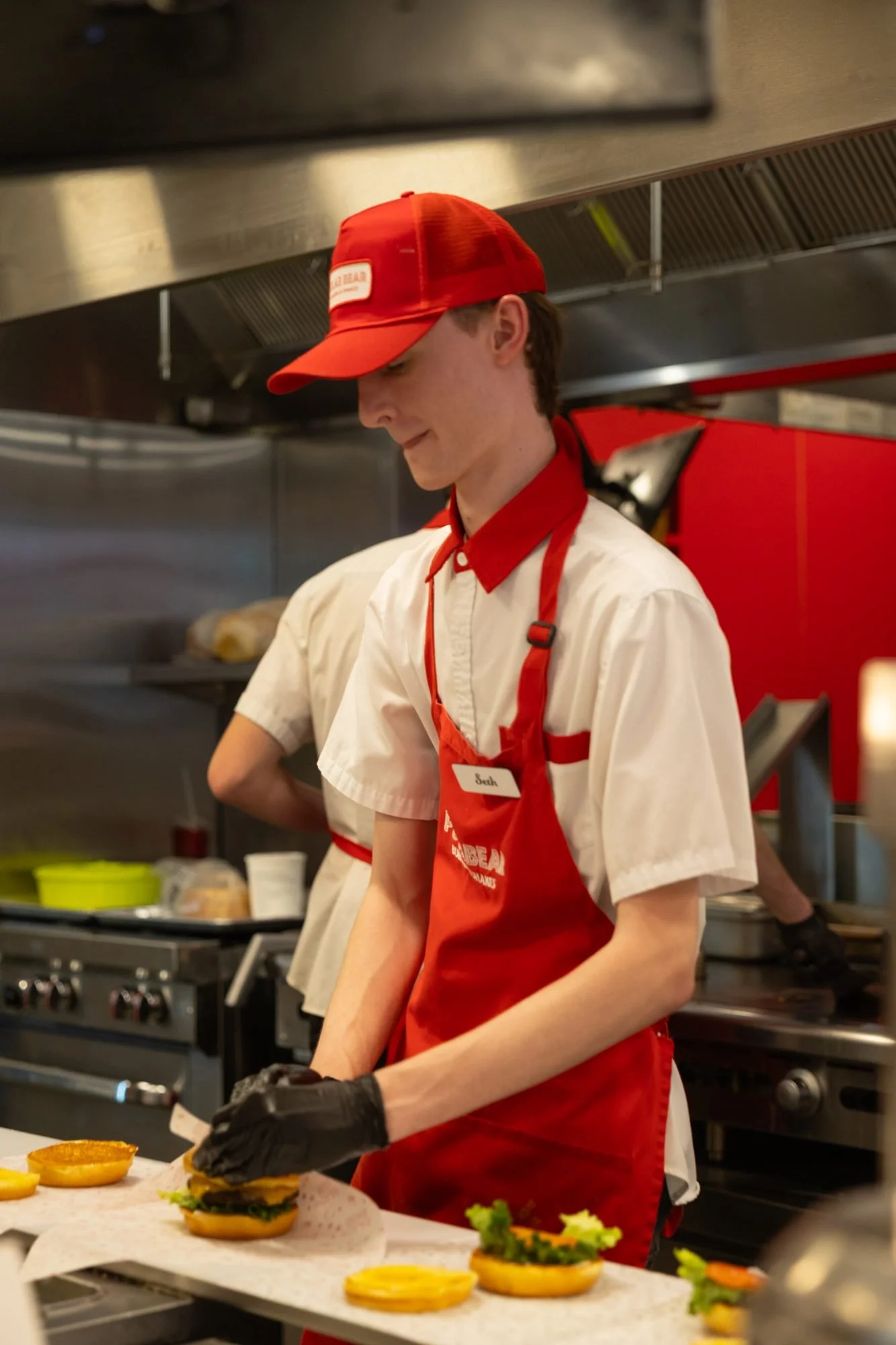
Customers like seeing the process behind the work: a stylist finishing a haircut, a contractor installing materials, a chef plating a dish, a trainer coaching a client. These clips show what the service looks like in real life and help people picture themselves using it.
Behind the scenes
Setting up the workspace, preparing tools or ingredients, organising products, the daily routine before opening. These are often the most engaging posts because they feel approachable and honest.
Finished work and results
A plated dish, a styled haircut, a completed construction project, a before and after, a retail display. Results are proof, and they help customers see the value before they buy. Breaking a product open to show the inside is one of the clearest ways to show the work.
Your space
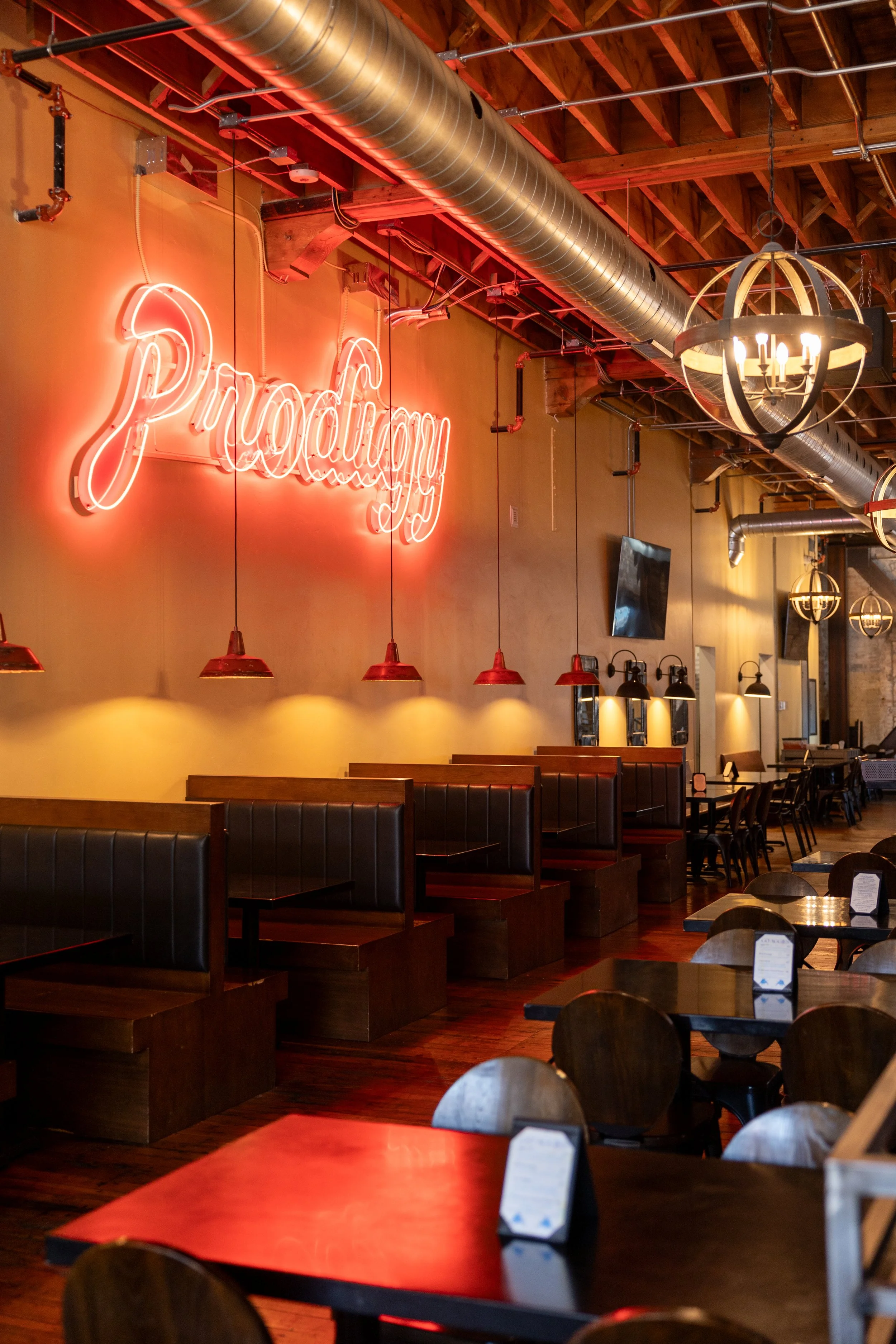
The storefront or entrance, the sign from the road, the interior and the atmosphere on a normal day. People feel more comfortable visiting a place they have already seen, and the room is often part of what they are choosing.
Your people
Team members at work, short introductions, real interactions with customers. A person in frame turns a product post into a brand post.
Small promos and details
Not every clip has to be the main product. Polar Bear tucks a punch card right into the drink, a small promo that works as a still or a three second clip. Film the same idea on a few products and one promo becomes several posts.

If you want a longer list of prompts by business type, my post on content ideas for small businesses in Cache Valley goes deeper.
Do reels and short-form video really matter?
Yes. Reels and short videos are shown to people who do not follow you yet, through explore feeds, recommended video and search, so they are the main way a small business reaches new customers on Instagram, Facebook and TikTok.
Movement stops a scroll. People give a post a few seconds, and a pour, a stack or a hand reaching in tells them what you do faster than any caption. According to Wyzowl's video marketing statistics, 91% of businesses use video as a marketing tool, and many report higher engagement from it.
Keep it short and simple
Most successful clips run 10 to 30 seconds and show one moment: a service in progress, a product reveal, a finished project. You do not need fancy equipment. I have seen ten-second reels filmed on a phone outperform full production shoots because they felt genuine.

What local viral looks like
Going viral for a local business does not mean a million views. It means the right people nearby see your food, your space and your story. A restaurant reel with 10,000 views, most of them within 20 miles of Logan, is a real result, because those are potential customers. Use a location tag and a local hashtag such as #LoganUtahFood so nearby people find you, keep your colors, music and tone consistent, and keep the editing light.
How I plan a reel
Every reel starts with three questions. Story: what are we saying, and what should people feel? Visuals: what light, angles and pacing tell it best? Sound: what is relevant right now that helps reach without feeling forced? For restaurants, ideas that perform well include how your most popular dish is made, staff picks, pours and steam, prep to plating, and candid customer moments.
Your reels do not need to be trendy. They need to be true to you.
One clip also works in several places: an Instagram reel, a Facebook post, your website and a digital ad. For longer pieces like brand films and commercials, see my guide to commercial video in Logan.


You can see how this plays out across a full menu in the Polar Bear social content work.
Does authentic content work better than polished content?
Usually, yes. People respond more to content that feels natural and relatable than to scenes that look staged, and authentic content is far easier to keep making because it happens during a normal workday.
Real does not mean sloppy. My job is to capture real moments so they feel natural while still looking professional: natural light, the actual space, genuine interactions. Messy hands on a pottery wheel, a uniform in a busy kitchen, the back room as it really is: those details carry an honesty that is hard to fake.

Why does consistency beat perfection?
Because showing up regularly keeps you visible, and waiting for the perfect post usually means nothing goes out at all. Your audience is not waiting for perfect. They are waiting to hear from you.
When you disappear for months, people forget, and so does the algorithm. When you post on a steady rhythm, your posts appear more often and reach more people. There is psychology behind it too: the mere exposure effect means the more often someone sees your brand, the more familiar and trustworthy it feels.
Consistency does not mean posting daily. It means a rhythm people can rely on, for example one photo post and one reel a week, a monthly behind-the-scenes update, seasonal shoots to keep visuals fresh, and regular replies to comments and stories. Professional visuals even once a month, mixed with honest phone clips in between, give you the right balance of approachable and professional.
How does a content day work, start to finish?
A content day is one focused session where we capture a large batch of photos and video at once. It runs in three parts: planning before, shooting on the day, and finished files you can post afterwards.
Planning
We start with where the content will live, because that changes how I shoot: vertical clips for reels, wide frames with room for text on an ad, clean product frames for the website. Before the shoot, it helps to bring three short lists:
- Ten short moments to film: three of the service, three of the product, two of the space and two of the team
- The next six weeks of things you want to talk about, including anything new or seasonal
- Three things only your business has, such as the way you perform a service, the atmosphere of your space or the personality of your team
My shoot prep guide covers the practical side of getting your business ready.
The day
I photograph and film in the same session, so you do not book two days. Each subject gets several angles, a second backdrop, close details and wider frames, in both vertical and horizontal. I capture more than you think you need, because small moments often turn into the most useful posts. You do not have to be on camera unless you want to be.
Delivery
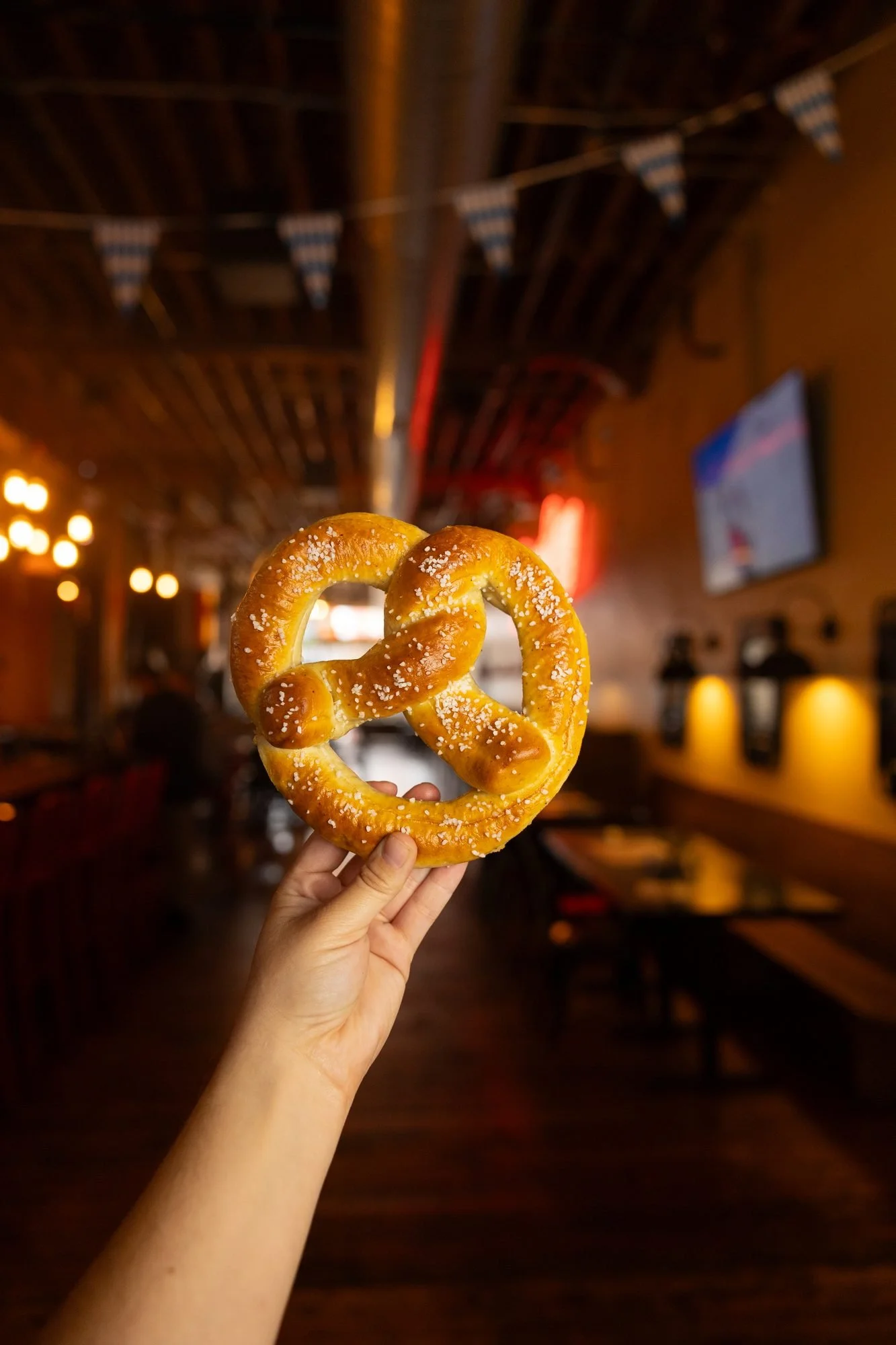
I handle the editing, and you get finished photos and clips ready for social posts, website updates and campaigns. In my experience a few hours of shooting can produce three to four weeks of content, and a well planned day can stretch much further. The Prodigy Brewing content is a good example of food, drinks and space all covered in one visit.
How do you plan 30 days of posts from one shoot?
Rotate through a few content types instead of inventing a new idea every morning. With a library from one shoot, the month mostly plans itself.
A simple rotation: core services or products, behind the scenes, finished results, the people behind the business, and a short video or two each week. Small variations keep the feed fresh: the same dish on a bold background one week and a plain one the next, a vertical frame for stories and a horizontal one for the grid. Then pick two posting days, say Tuesday and Friday, and put them in your calendar like appointments. After eight weeks, look at your insights. The rhythm almost always matters more than any single post.
For seasonal hooks, the Cache Valley content calendar lists local dates and events worth planning around.
How do you build a content library?
Capture a large amount at once, then organise it so you can find the right image in seconds. A library turns "what do we post?" from a weekly scramble into a quick search.
Start with your core services and products, then add short videos, your environment and your team. Once the files come in, sort them into simple folders such as services, products, team and behind the scenes. Different surfaces and arrangements of the same product give you separate posts; Rockhill Creamery's cheese on granite, on a wooden board and against a stone wall became three entries from one session. Over time the library supports your social posts, website updates, ads and your Google Business listing.


Is monthly content worth it?
For most businesses that change often, yes. A monthly session keeps your feed consistent and captures new products, projects and people as they happen, so your marketing shows what you look like now, not two years ago.
Restaurants, cafes, gyms, salons, boutiques and contractors all tend to have something new each month, which makes fresh content easy to find. Between sessions, keep a running note of anything worth capturing next time. If you would rather not post at all, I also offer social media management, where the posting is handled too.
Should you do it yourself or hire a content creator?
You can do it yourself, and some owners do it well. Hiring makes sense when content keeps sliding to the bottom of a busy week, because an empty feed tells customers something you did not mean to say.
A content creator takes the whole visual side off your desk: shooting, filming, editing and planning what goes where. Handing it off means the work happens on a schedule, whether or not it was a hard week at the shop. I also notice the details owners have stopped seeing, like the feel of the space or the way a product is finished. The Crust Club content shows how far one product line can go when it is shot with variety in mind.
Think about the three questions new customers ask you most often, like what the space looks like, how long a service takes or what the most popular item is. Answer each one with a photo or a short video. Those are usually the most valuable pieces of content you can share.
What are the most common social content mistakes?
The biggest mistakes are waiting for perfect, filming a little every day until you burn out, and shooting without knowing where the content will be used.
- Holding posts until they are flawless. Done and real beats perfect and late.
- Filming one clip a week. Batch it. One session gives you plenty to share over time.
- Only one angle per subject. Shoot several, and both orientations, so posts never look repeated.
- Over-staging. Complicated scenes feel less genuine than the real work.
- Skipping video. Short clips reach people photos alone do not.
- Forgetting the plain frames. Packaging, the sign, the entrance: you will reach for them more than you expect.
I cover more of these in the top 5 mistakes businesses make with social media content.
What does social media content cost?
Photo shoots start at $600, and a monthly content partnership, where I capture fresh photos and video for you every month, is $1,800 a month.
If you would like posting handled as well, social media management runs $600, $1,200 or $2,400 a month depending on how much you need. First-time clients can start with a Brand Kickoff Session, one hour for $950, through the kickoff page. Full details are on my pricing page.
The work you do, the people you serve and the space you have built are already the raw material for great social content. Capture it in batches, post on a rhythm you can keep, and let people watch the real work happen. If keeping up ever feels like too much, that is exactly the kind of work I love helping with.
I'm Sarah Rasmussen, and Sarah Rasmussen Productions is the commercial photo and video business I run from Logan for restaurants, shops, service businesses and brands across Logan, Cache Valley, Ogden, Brigham City, Layton and Southern Idaho.
Want a month of posts from one content day?
Tell me where you post and what a normal day looks like, and I will plan a content session that fills your calendar.
Plan my content day📞 Call or Text: 435-764-3606
✉️ sarahrasmussenproductions@gmail.com
📍 Serving Northern Utah & Southern Idaho
