Commercial Video Production for Logan, Utah Businesses
A good local commercial does not need a big concept. It needs the real moments that define your customer's experience, filmed well. Here is everything I tell Logan business owners before we make one.
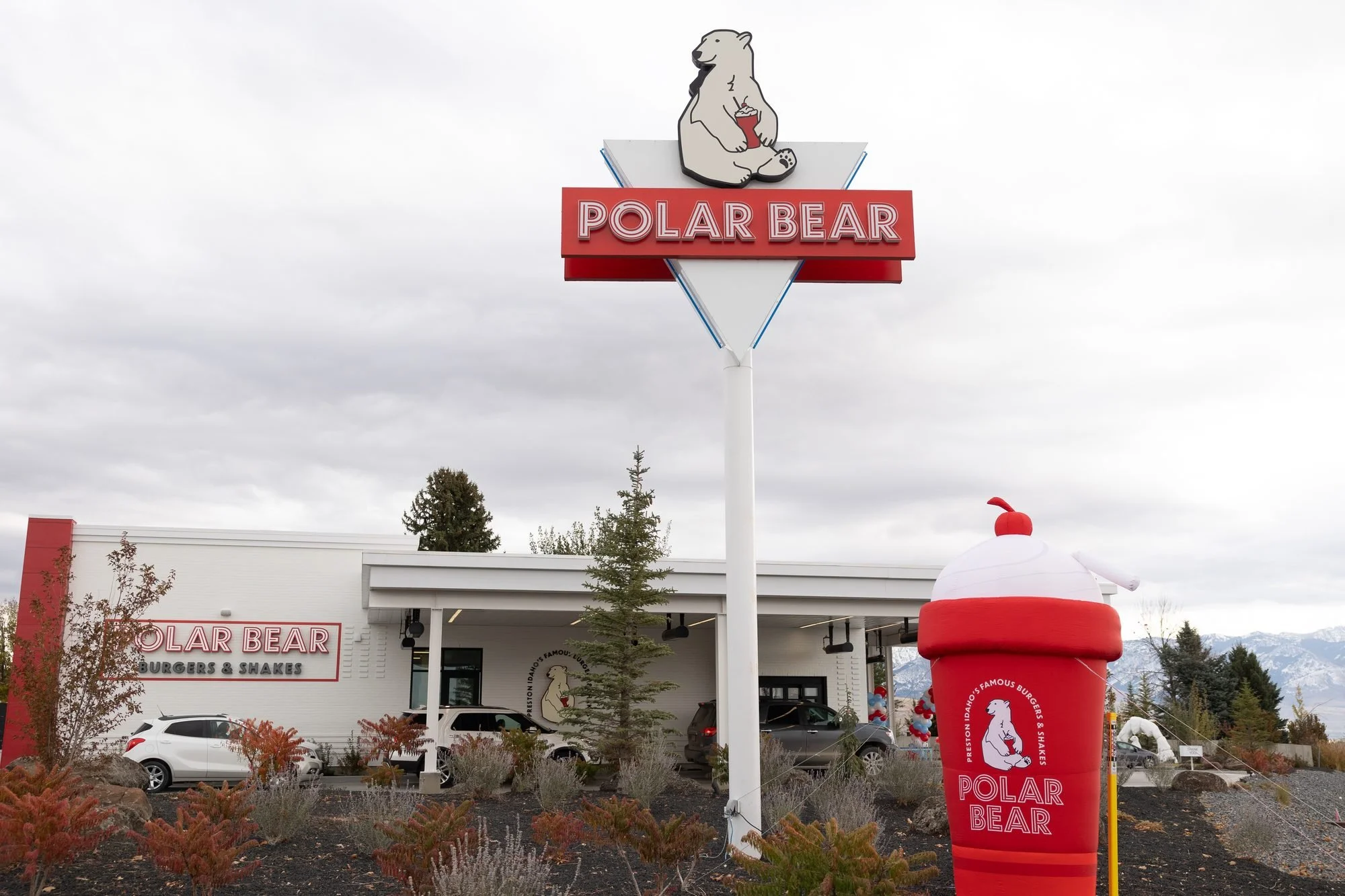
Commercial video production means planning, filming and editing short videos that show what your business does: TV and theater spots, brand films, recruiting films and service videos for your website and ads. The best ones skip the clever concept and film the real work, the space and the people, then cut that footage into versions for every place you market.
- Film the service being done, the space, the people and the result
- Real moments beat staged scenes, every time
- Plan one shoot that feeds a full commercial, shorter cut-downs and photos
Ready to plan one? See examples and packages on my commercial video page.
I'm Sarah, a photographer and videographer based in Logan. I film commercials for restaurants, shops, service businesses and brands across Cache Valley, and the videos that work hardest for my clients are almost never the most complicated ones. They are honest footage of work the business is already proud of, filmed on purpose and edited with care.
Here is how I plan, film and use one, start to finish.
What commercial video production includes
Commercial video production is the whole process of making a video that sells your business: planning it, filming it and editing it into something you can run. For most local businesses that means one of four things.
- TV and theater commercials. Short, polished spots built around one clear message, made to run on local television or on the screen before a movie.
- Brand films. A longer look at who you are and why you do the work, for your homepage, your About page and presentations.
- Recruiting films. A video that shows people what it is actually like to work for you, so the right applicants picture themselves on your team. More on the recruiting video page.
- Service videos. Clips of your services in action for your website, digital ads and Google Business listing.
Reels and monthly social content are a related but different job, built around posting often rather than one finished piece. I cover that in my guide to social media content creation for Logan businesses.
Why video works for local businesses
Video works because it shows instead of tells. In a few seconds a customer can see how your service works, what your space looks like and who is behind the business, which is faster than any paragraph or still photo.
Most people research a business online before they visit or book. Many decide within a few seconds whether you interest them, and a commercial lets them see the experience in those same few seconds.
Video also stands out. Feeds and search results keep getting more visual, and motion catches the eye against static images and text. According to Wyzowl's video marketing statistics, 91% of businesses use video as a marketing tool, and many report higher engagement from it. You do not need to out-produce anyone. You need to show your business clearly.
Finally, video builds trust. Seeing real work performed makes a business look transparent: customers see the skill involved, the attention to detail and the professionalism of the team before they ever contact you.

What your commercial should show
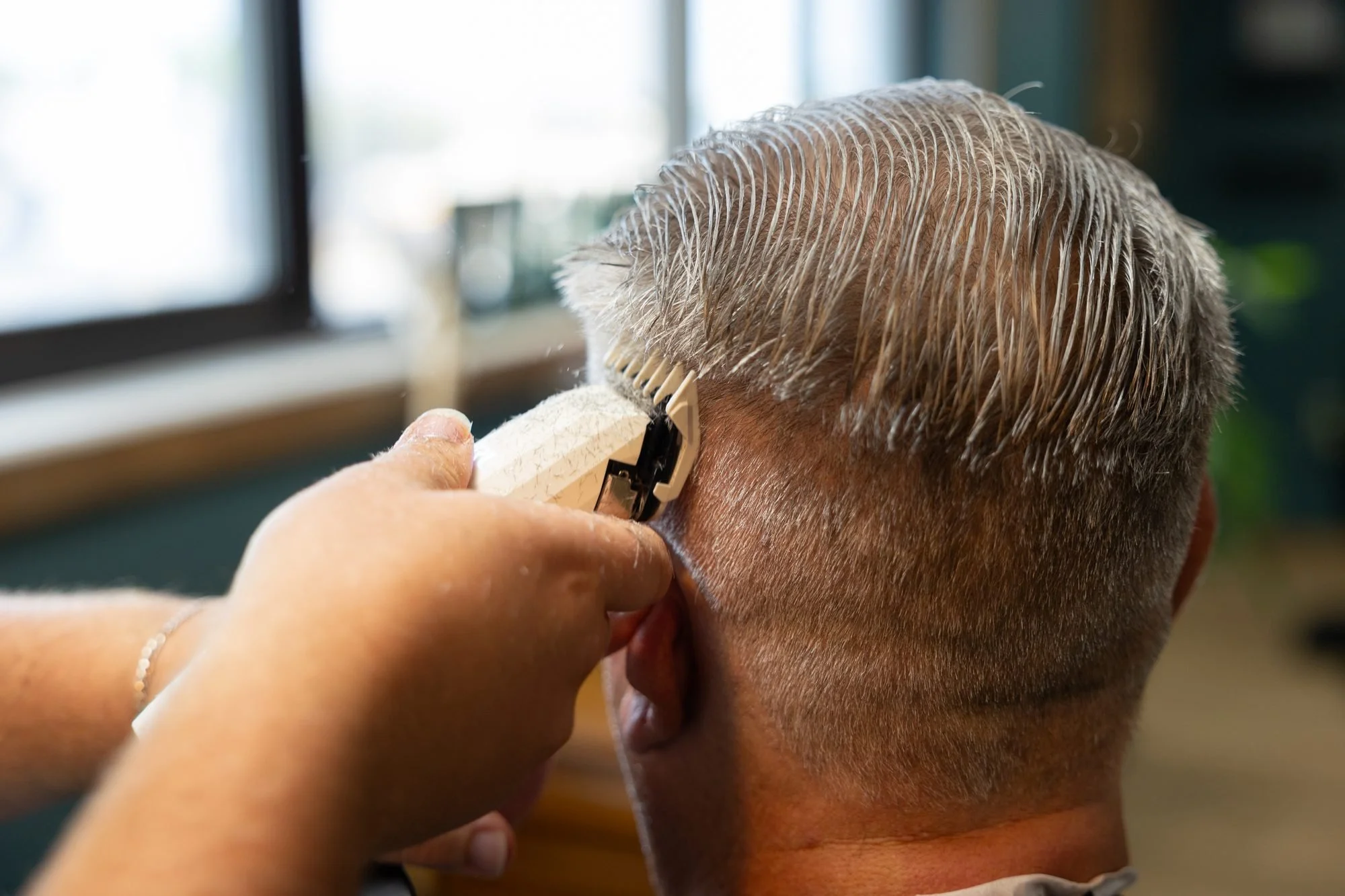
A strong local commercial shows four things: the service being performed, the place where it happens, the people who do it and the result the customer walks away with. Get those on camera and the video answers the questions people actually have.
The service in action
This is the most important part, because it is what people are deciding to buy. Instead of writing "precision fades" on your website, show the clippers moving. A stylist finishing a haircut, a contractor installing materials, a trainer coaching a workout, a chef preparing a dish: a few seconds of any of those makes your offer immediately clear. I like to film the beginning, the process and the finish so the edit has a natural arc.
The environment
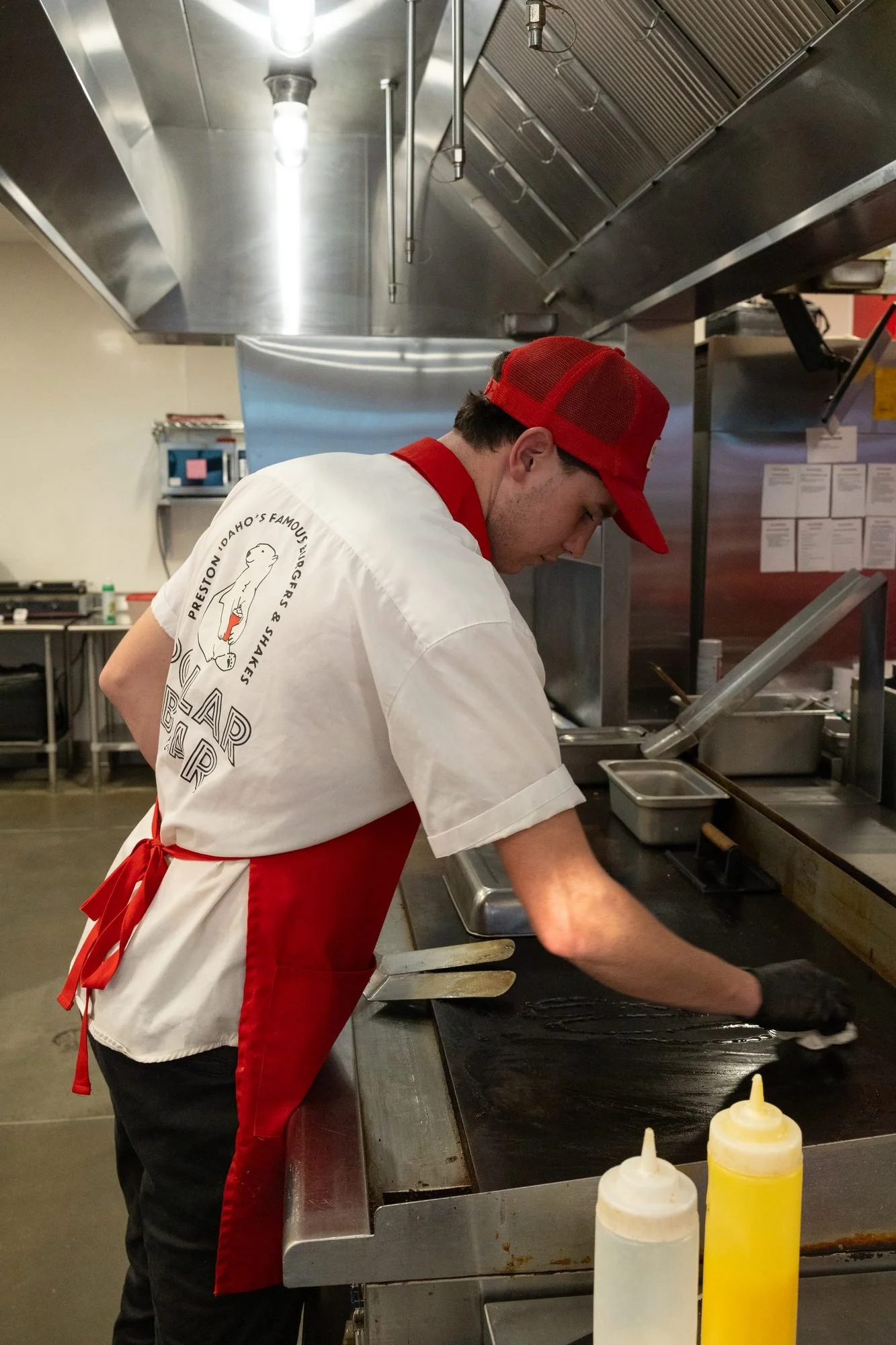
Your space tells part of your story. A good commercial usually includes the storefront or entrance, the interior workspace and the equipment or tools you use. A quick look inside answers questions people never ask out loud: is it calm or busy, will I feel out of place? The sign out front or a landmark customers know you by gives the video its establishing moments, so new customers recognise you when they pull in.
The people
Customers connect with people. Putting your staff on screen shows viewers who they will deal with and the personality of the business. That might be the owner explaining what you do, a team member at the counter or a quiet moment between coworkers. It makes a business feel welcoming before anyone walks through the door.
The result
Show what the customer gets: the finished project, the styled cut, the plated dish, the product in someone's hand. Products in someone's hand always feel more real than products on a shelf.


Why real moments beat staged scenes
Real moments work better because audiences can tell when something is forced. They do not want a perfect performance. They want to see you: the hands that make the product, the focus of someone at work, the real joy of a happy customer.
So when I film, I look for the unposed. A quick glance between coworkers, a customer reaching for the onion rings, a potter leaning in to check the shape of a bowl. The best scene in most commercials is something that would have happened whether or not I was filming, and no script can produce that kind of concentration on someone's face.
That is also how a brand story gets told. Brand storytelling means showing who you are, not just what you sell, and sharing the why behind the business. Maybe you opened your restaurant because you grew up around Sunday dinners that brought people together. Maybe your shop exists to make things that last a lifetime. Those stories turn customers into advocates.
The best commercial is not complicated. It shows the work you are already proud of.
Real does not mean careless. Once the moments are captured, I use the craft to make people feel them:
- Lighting: soft, natural light makes a scene feel warm and trustworthy.
- Color: earthy, natural tones feel calm and honest.
- Music: the right track sets the tone and carries the emotion. A soft acoustic song feels cozy, an upbeat instrumental feels fresh.
- Pacing: slow edits invite people to linger, fast cuts energise them.
Local audiences want the people behind the brand, not stock footage, so I film your business in its real environment. From mountain light in Logan to golden fields in Preston, this region gives an honest story a natural setting.


How a shoot works, start to finish
Every commercial I make follows the same three stages: plan the key scenes, film real work on the day, then edit it into a finished video and shorter versions. Planning is what keeps the filming day calm and the final video focused.
Planning
Before I ever hit record, we talk about what people should feel when they experience your brand, what your values are and which story you are most proud of. Then we pick the main services to highlight, the parts of your space that look visually interesting and the moments that represent the customer experience. From that I build a shot list and a visual plan that matches your tone, playful and upbeat or cinematic and emotional, so every shot and song is chosen on purpose.
First-time clients usually start with a Brand Kickoff Session, a one-hour planning meeting covered on the Brand Kickoff page. If you want to get your team and space ready ahead of time, my shoot prep guide walks through it, and if part of the commercial will be filmed out and about, my list of filming locations around Logan and Cache Valley is a good place to start.
The filming day
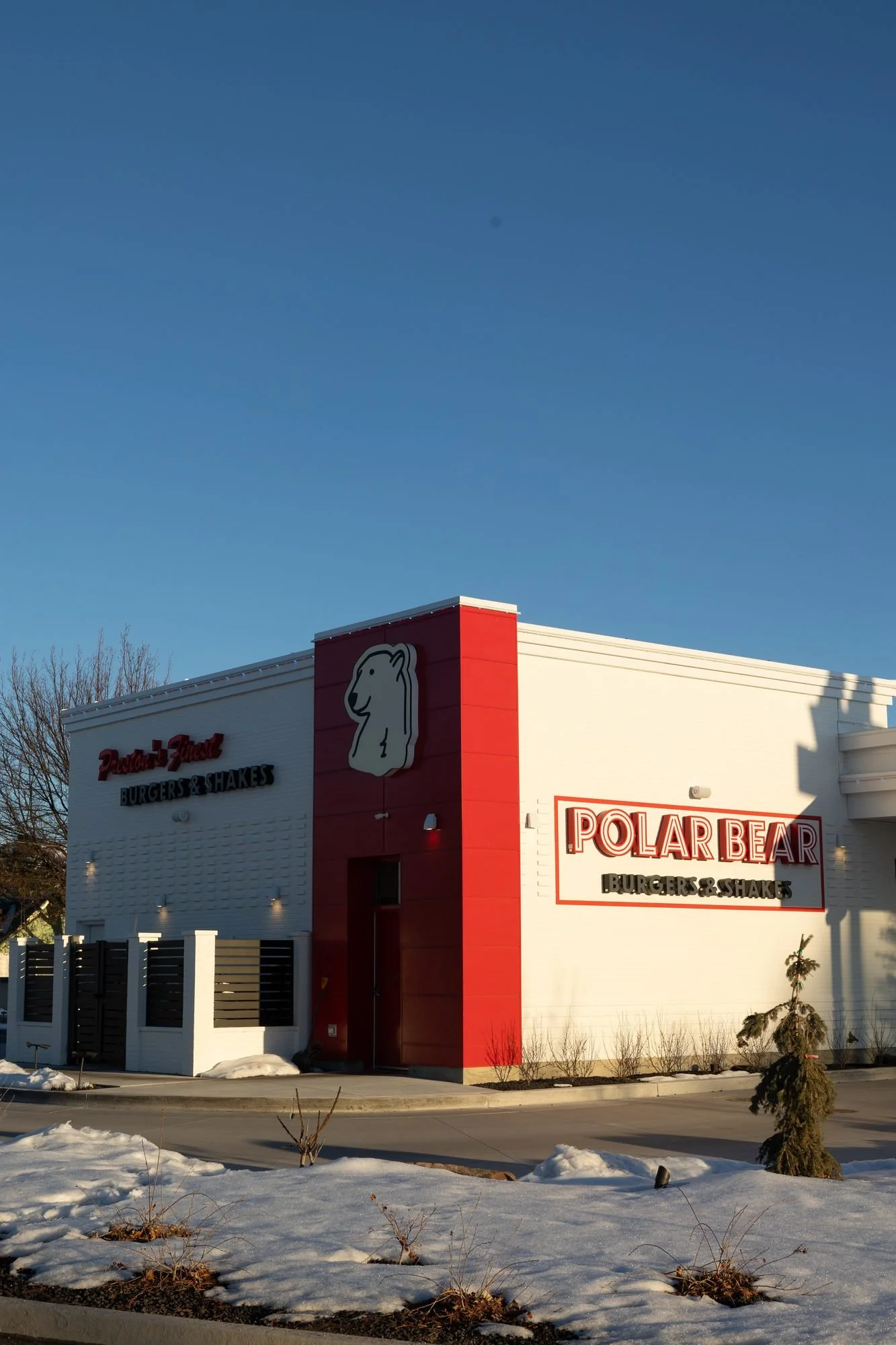
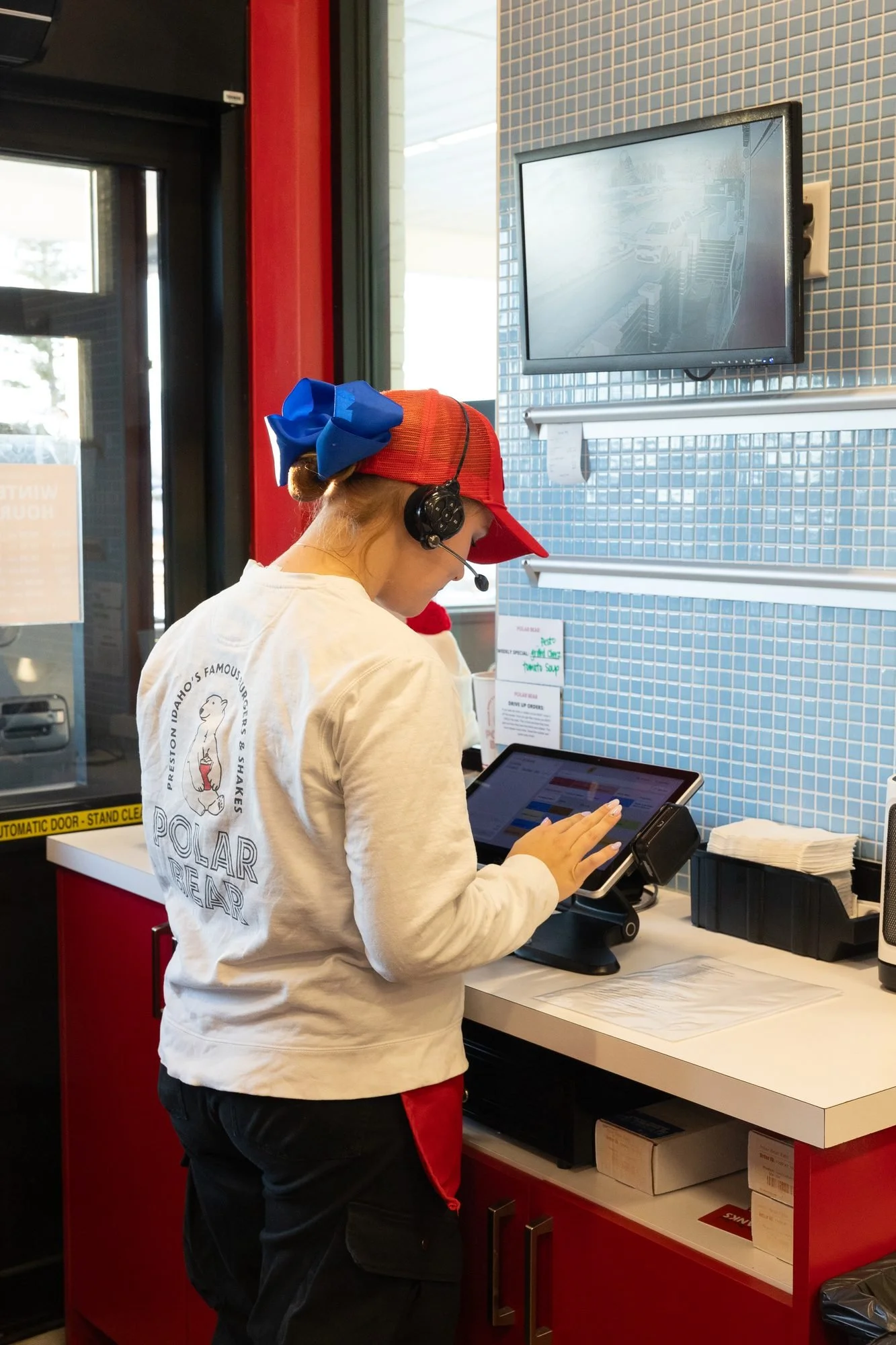
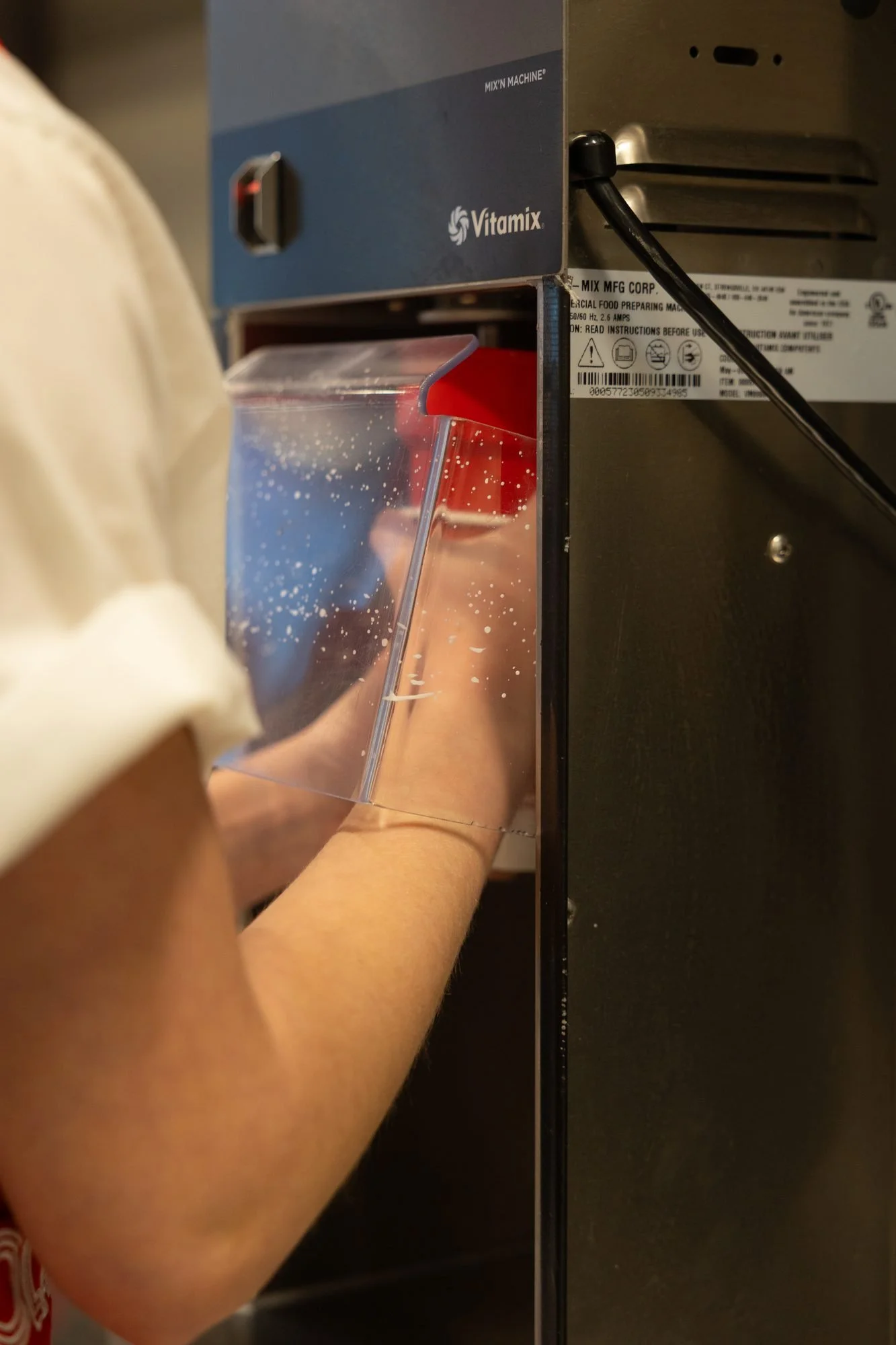
The day is mostly about documenting the real work happening inside the business: a service being performed, a product being prepared, a team member helping a customer. I film each important moment from more than one angle so the edit has options, then capture the environment: the entrance, the interior, the tools and the sign out front.
While I am there, I also film extra clips: short pieces for social media, behind-the-scenes footage and spare scenes that can be cut into shorter versions later. Many businesses also capture photography on the same day. Photos give you images for your website and printed marketing, video gives you the commercial and ads, and together they build a complete library from one production day. My guide to brand photography covers the photo side.
Editing and delivery
After filming, I review the footage and choose the strongest scenes, adjust color and lighting, and add music or text where it helps. Music is another character in the edit, and its rhythm shapes every cut and pause. Editing is what turns honest footage into something polished. You get the finished commercial along with shorter cut-downs made from the extra footage, so one shoot keeps working long after the day itself.
How long should a commercial be?
Most local commercials work best between 15 and 60 seconds, and ads and service clips are often strongest at 10 to 30 seconds. Short is not a compromise. It is what holds attention long enough to make your point.
A 15 to 60 second commercial has room to show your main service, your space and the overall experience without losing anyone halfway through. A 10 to 30 second ad should show just one thing: a service being performed, a quick product highlight or a look at your environment. One clear idea beats three rushed ones, and if a clip needs a long explanation to make sense, it is trying to do too much, so split it into two.
That is why I plan the longer piece and the cut-downs together. The full commercial and the short versions come from the same footage, so you are not paying to film twice.
Where to use the finished video
One well-made commercial can work in many places at once: your website homepage, digital ad campaigns, your Google Business listing, presentations and, for TV and theater spots, the screen itself. That versatility is what makes it a long-term asset rather than a one-time post.
- Your website. A short clip on the homepage introduces visitors to your business and explains what you offer in the time it takes them to decide whether to keep reading.
- Digital ads. Video ads catch attention in a fast feed, and seeing your business again and again builds familiarity until customers feel they already know you.
- Your Google Business listing. People looking at your listing are close to deciding, and a clip of the real experience helps them choose.
- TV and theater. A polished spot built around one message, for audiences who are not scrolling past.
- Recruiting and presentations. A brand or recruiting film shows applicants, partners and clients what your business is really like.
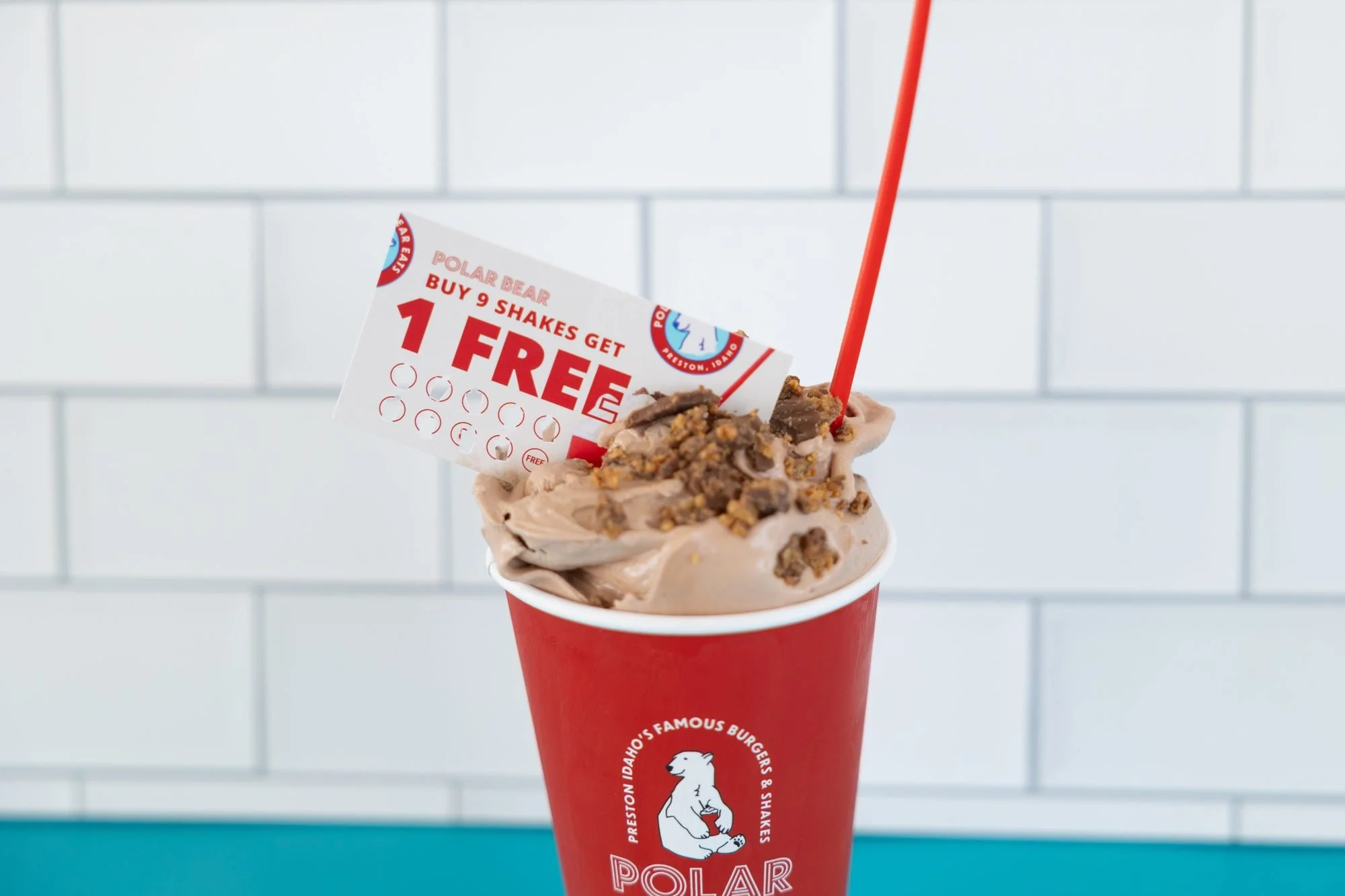
The extra clips can also feed your social media, though a steady posting rhythm is its own project. You can see finished commercials, including the work for Polar Bear, in my portfolio.
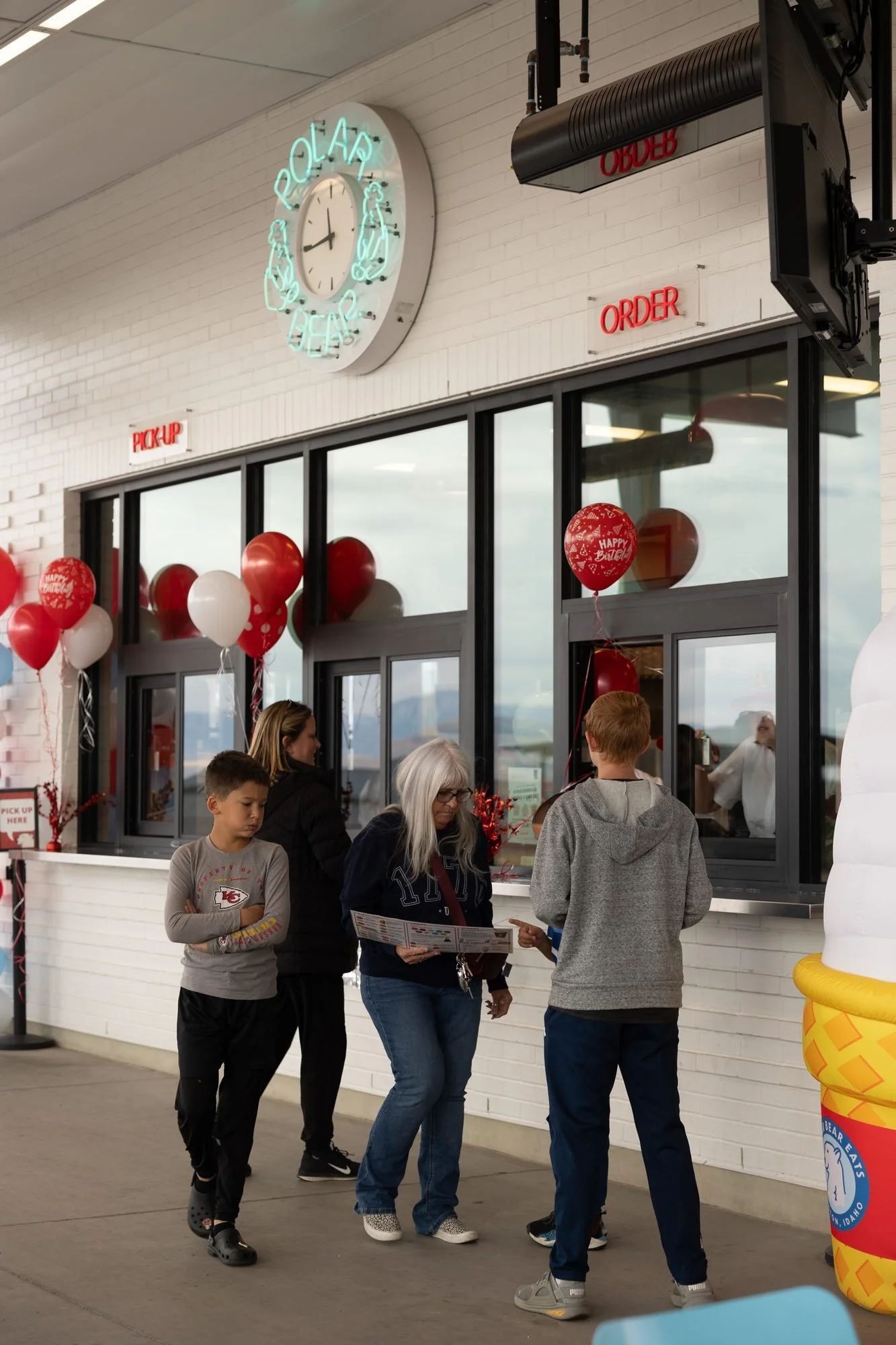
Commercial video suits almost every kind of local business: restaurants and cafes, gyms and fitness studios, salons and beauty businesses, contractors and home services, retail shops and boutiques. I work with businesses across Logan, Cache Valley, Ogden, Brigham City, Layton and Southern Idaho, and for each of them video shows the experience customers can expect.
Common mistakes to avoid
The most common mistake is trying to describe the business instead of showing it. The rest usually come from planning too little or trying to fit too much into one video.
- Over-staging. Scripted scenes and forced smiles read as forced. Plan for real services, everyday interactions and normal activity in your space.
- Leaving out the service. A video full of logos and slogans with no actual work in it gives people nothing to decide on.
- Making it too long. If the main message does not land in the first few seconds, most viewers will never see it.
- Filming one version only. Without extra footage there is nothing to cut into ads and shorter clips, and one shoot does a fraction of the work it could.
- Skipping the plan. Showing up without a shot list means missing the moments that matter most, often the ones that only happen once in a day.
What does commercial video cost?
A single TV or theater commercial starts at $1,500, and three commercials shot together start at $4,200. Brand and recruiting films start at $2,000.
Shooting several commercials on one day costs less per spot because the planning and setup are shared. First-time clients usually begin with the one-hour Brand Kickoff Session at $950, and a drone add-on is $300 if aerial footage fits the story. Full details are on my pricing page, and the FAQ answers the practical questions about booking.
Focus on the experience. Before planning any commercial, answer three questions: What happens when someone walks into your business? What services will they see? What moment represents your business best? Those answers become your shot list, and they keep the video honest and engaging.
Do I need to be good on camera?
No. You do not have to act, you just have to be yourself, and most of the footage will be you and your team doing the work you already do every day.
Nobody needs to be a natural. Thirty honest seconds beats three minutes of rehearsed lines. If you want to speak on camera, try this: tell the story of how your business started out loud and time yourself. If it runs under a minute, that is the core of your first brand video. If it runs longer, find the one moment in it that still makes you smile and build around that.

Video brings a business to life in a way photos alone sometimes cannot. A few seconds of real footage of your services, your team and your space can tell a powerful story, and customers arrive already knowing why they chose you. If you are thinking about a commercial, start with the moments that define the experience you give your customers.
I'm Sarah Rasmussen, and Sarah Rasmussen Productions is the commercial photo and video business I run from Logan for restaurants, shops, service businesses and brands across Logan, Cache Valley, Ogden, Brigham City, Layton and Southern Idaho.
Planning a commercial for your business?
Answer the three questions in the tip above and send them to me. I will turn them into a commercial plan.
Plan my commercial📞 Call or Text: 435-764-3606
✉️ sarahrasmussenproductions@gmail.com
📍 Serving Northern Utah & Southern Idaho
